



Introduction
Diazirines are the most widely used carbene precursors in photoaffinity labeling (PAL). The efficiency of their synthesis and their compatibility with diverse functional groups are critical to the accessibility of PAL as a tool for drug target identification, driving continued interest in improved synthetic methods.
Carbene is a molecule that contains a neutral carbon atom with two unshared valence electrons. Carbene reacts in a wide range of chemical transformations, including cyclopropanation of alkenes, C-H insertion, and dimerization. Carbene is also widely used in transition metal carbene complexes for catalysis. Carbenes are particularly valued for photoaffinity labeling, where they form covalent bonds with nearby biomolecules upon light activation, enabling the identification of ligand–protein interactions and mapping of binding sites.
Carbene can be produced from diazirine, which is a highly strained three-membered heterocyclic ring that contains a diazene (-N=N-) and a sp3 carbon (-C-). Diazirine undergoes photolysis upon ultraviolet (UV) light irradiation to extrude a molecule of nitrogen gas, during which process free energy is lowered by releasing the ring strain.
Efficient synthesis of diazirine with high functional group tolerance is a major enabler for modern carbene chemistry developments and applications.
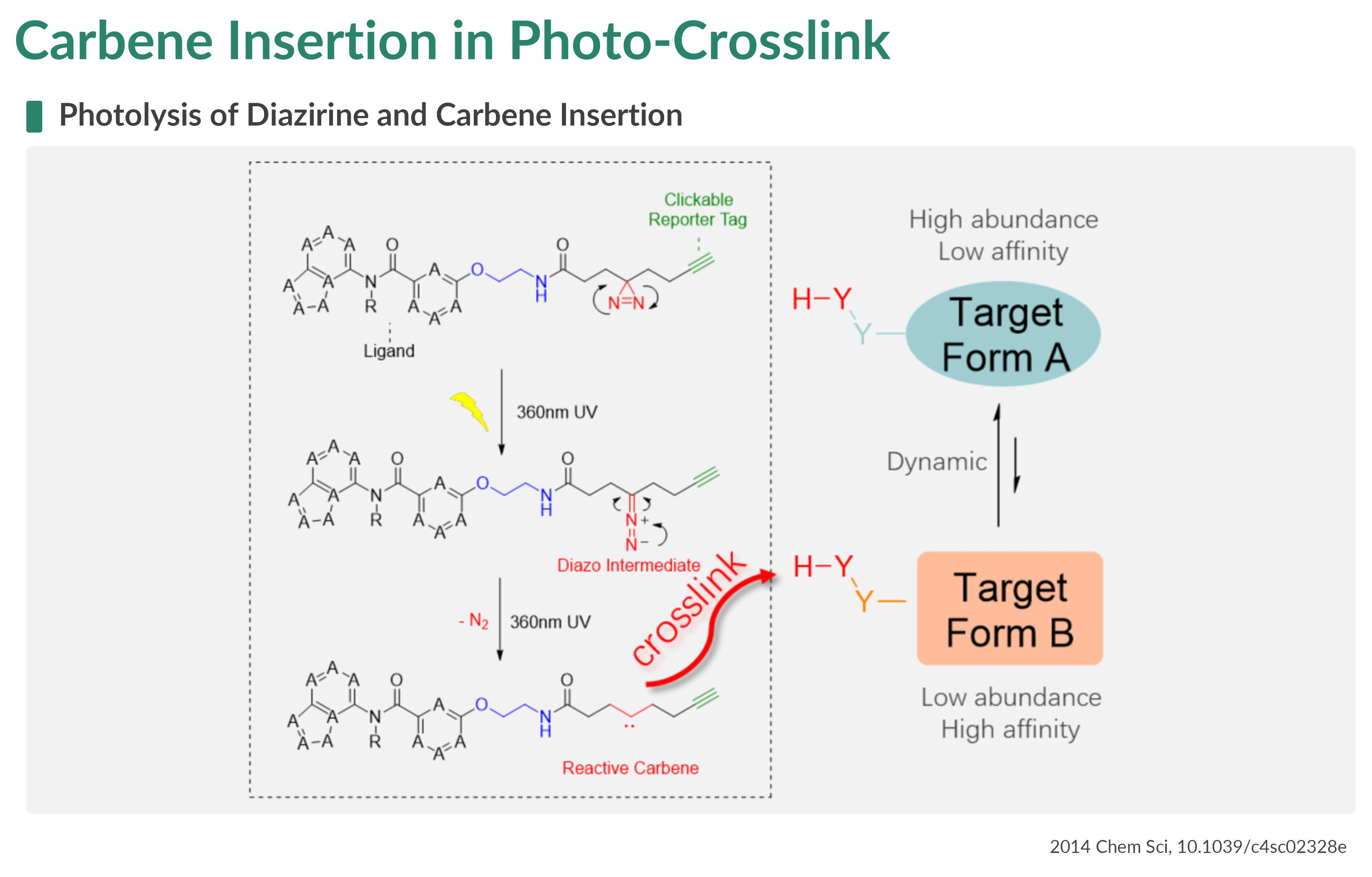
Despite the high ring strain, diazirine is chemically stable when kept at ambient temperature in the dark. Various studies have shown that compound with diazirine ring can undergo chemical transformations without affecting the diazirine ring. Diazirine also show stability under acidic or alkaline conditions, depending on the actual overall compound structure.
Chemical synthesis of diazirine-containing molecules can be broadly divided into two categories: 1) incorporation of diazirine-containing building blocks onto the existing molecular scaffold; and 2) conversion of precursor functional group on the molecule into diazirine ring. The former approach is particularly useful for diazirine photoaffinity probe attachment to the ligand. The latter strategy is advantageous for late-stage diazirine incorporation that minimizes exposure to potentially incompatible conditions during synthesis.
Classical Stepwise Synthesis of Aliphatic Diazirine
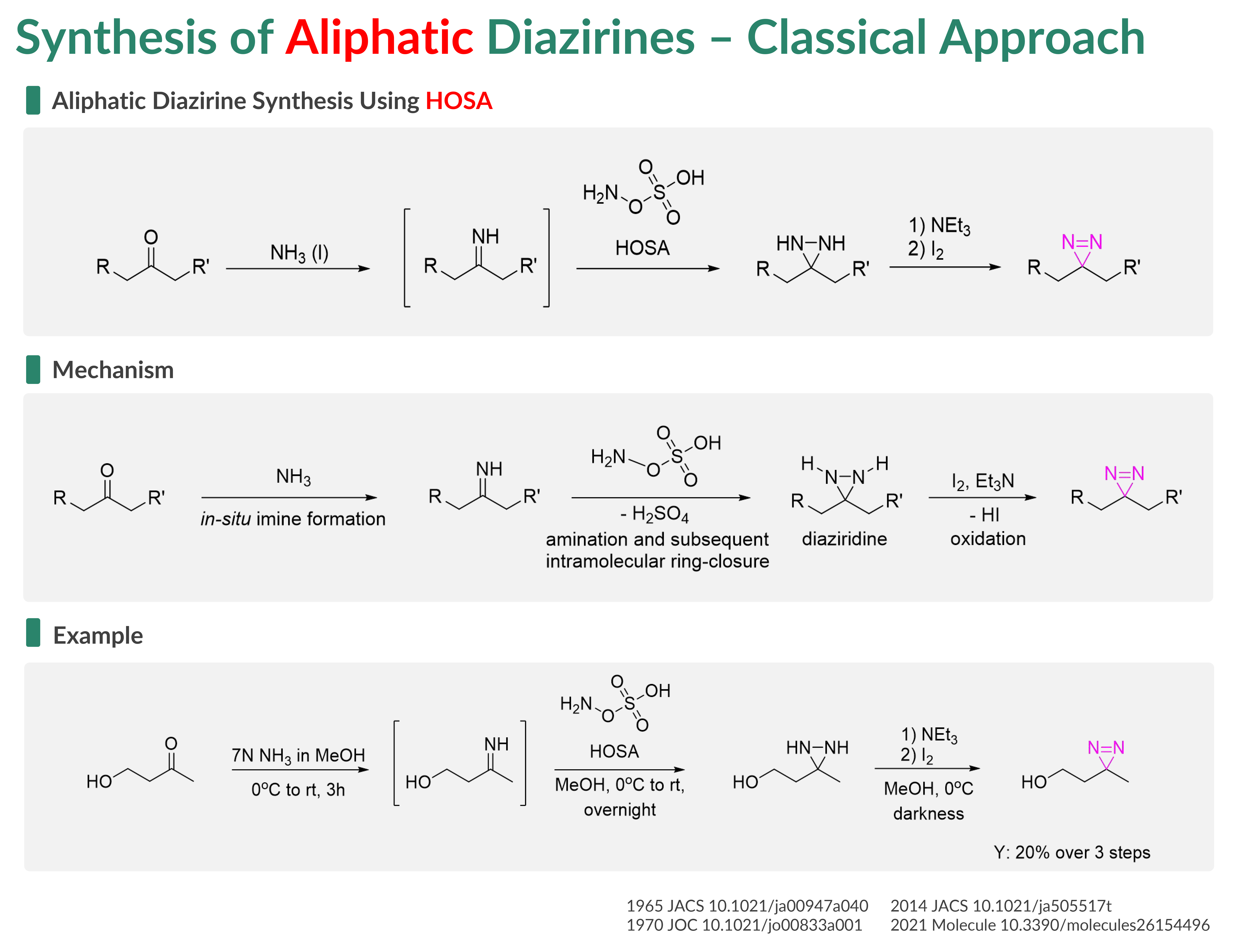
Classical approaches to diazirine synthesis commonly involve the 1) preparation of carbonyl or imine precursors, 2) Hydroxylamine-O-sulfonic acid (HOSA) -mediated amination and cyclization to form the strained three-membered diaziridine, and 3) oxidation of the -NH-NH- bond to form the diazirine ring. Depending on the substitution pattern, different synthetic routes have been developed for alkyl diazirines, aryl diazirines, and more highly functionalized diazirine derivatives.
One-Pot Synthesis of Aliphatic Diazirine
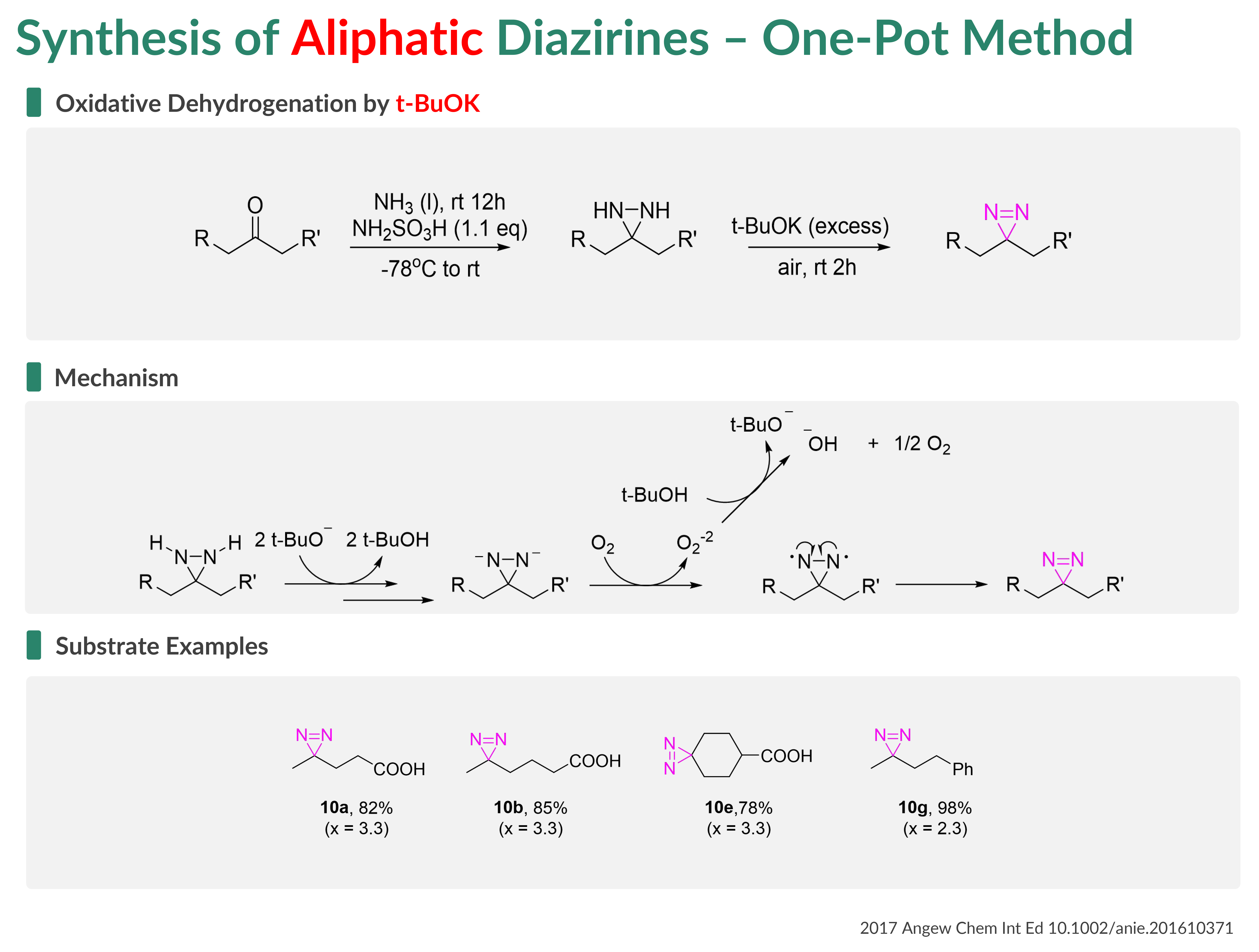
In recent studies, one-pot synthetic methodologies are explored to simplify the synthesis of diazirines. In a study by Wang et al, The aliphatic ketone is treated with HOSA in liquid ammonia at room temperature for 12 hours, followed by potassium tert-butyl-oxide (tBuOK) addition to trigger direct dehydrogenation of the in situ formed diaziridine. The reaction was reported to have greater than 80% yield.
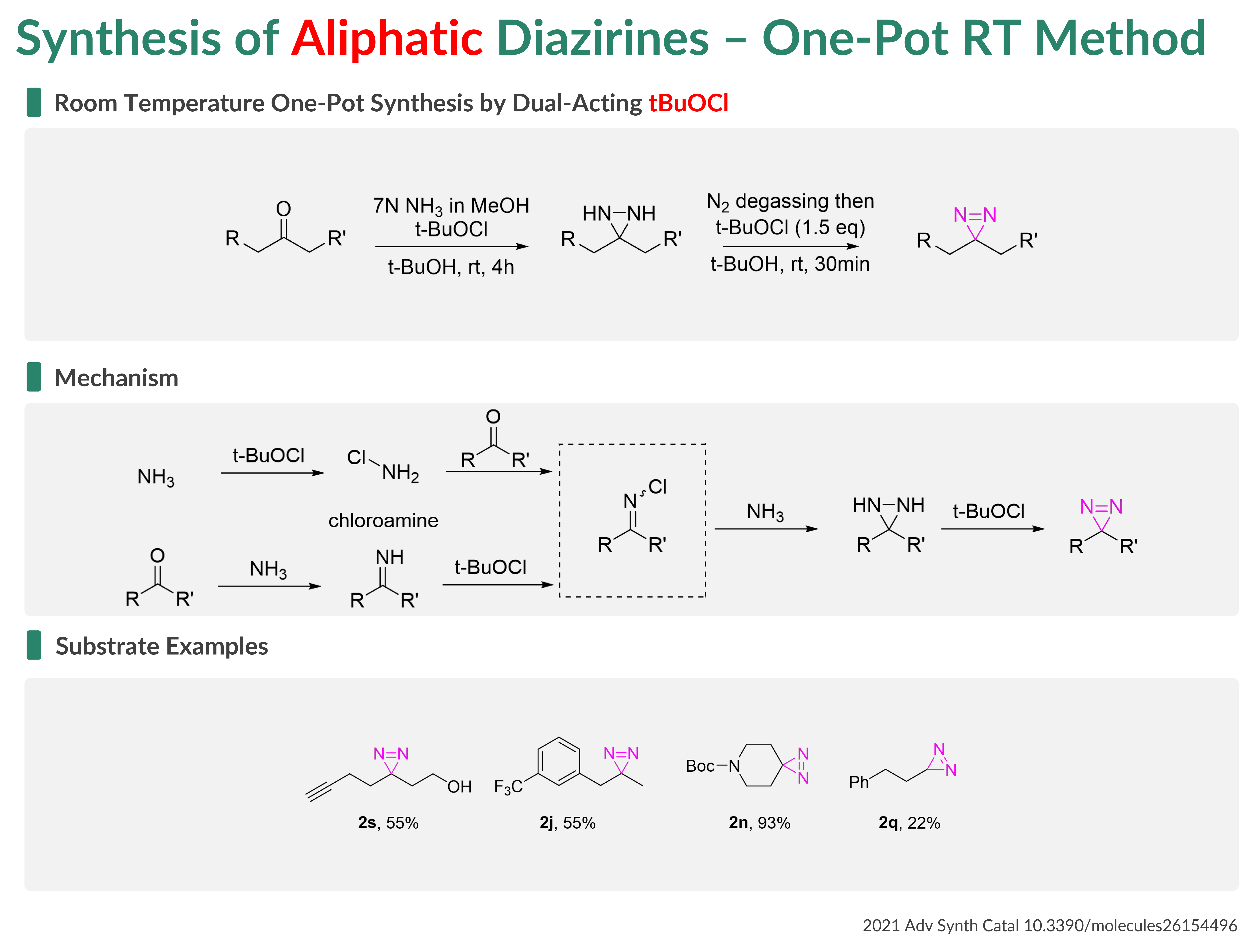
In another study by Quentin et al, t-butyl hypochlorite (tBuOCl) is used as a dual-acting reagent for both amination and cyclization of imine via the reactive chloroamine intermediate, and the dehydrogenation of the diaziridine. The reaction can be carried out at room temperature, allowing easier reaction handling than earlier procedures at -78°C. One challenge of this reaction method is that residual ammonia (NH3) in the reaction mixture can rapidly consume tBuOCl, thereby preventing the final oxidation of the diaziridine. To overcome this, sequential addition of tBuOCl and degassing protocol is adopted.
Synthesis of Aryl-Substituted Diazirines
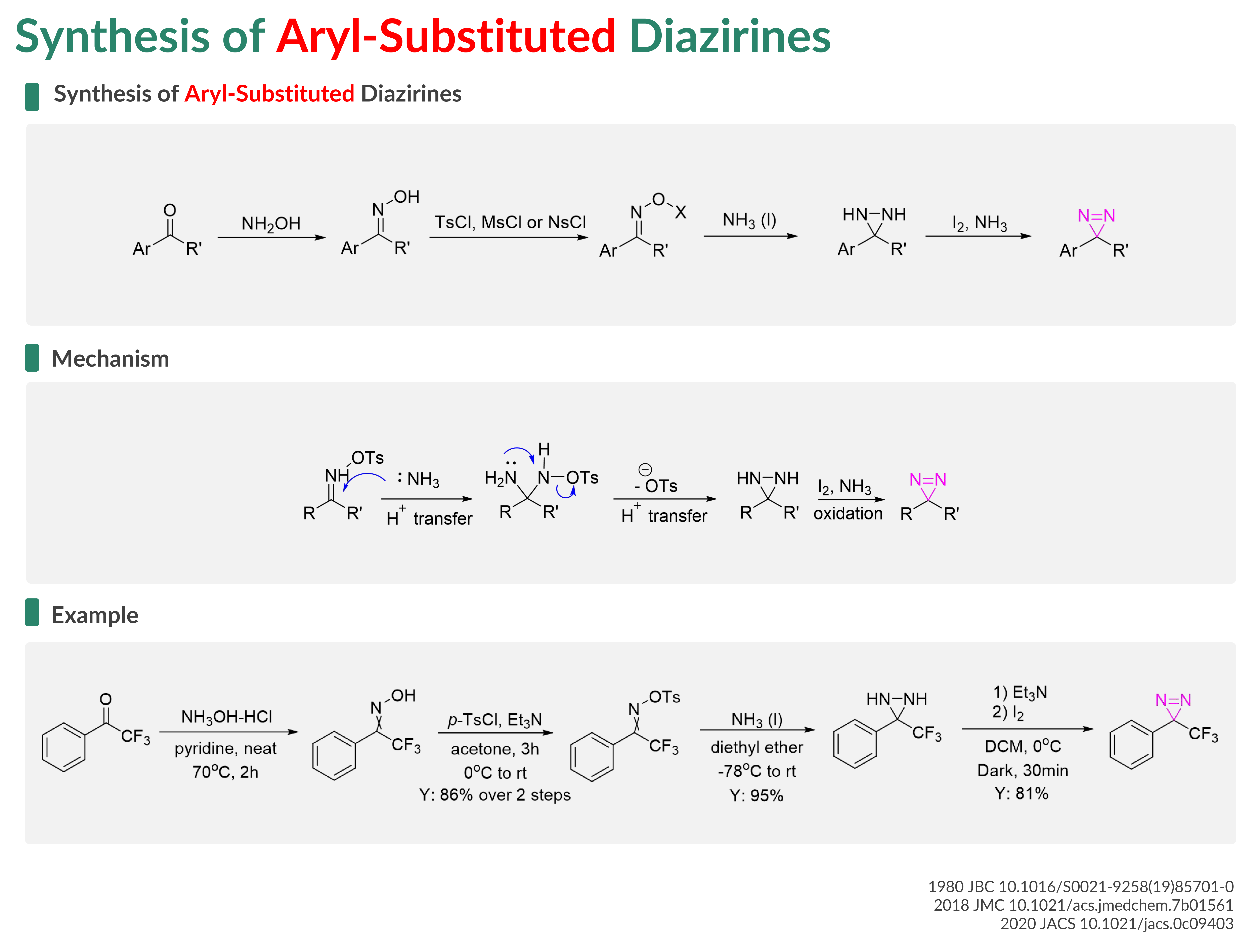
The first synthesis of 3-trifluoromethyl-3-phenyldiazirine (TPD) was reported by Brunner et al in 1980. The introduction of an electron-withdrawing (EWG) trifluoromethyl (CF3) substituent stabilizes the intermediate carbene and prevents intramolecular hydrogen/alkyl rearrangements, allowing wide application of the diazirines in photoaffinity labeling and photo-carbene chemistry.
The conventional construction of the TPD ring follows a four-step reaction sequence starting from a phenyl trifluoromethyl ketone derivative. The ketone is treated with hydroxylamine hydrochloride (NH2OH-HCl) under basic conditions to form oxime. The oxime is treated with a sulfonyl halide, such as p-toluenesulfonyl chloride (TsCl), in the presence of a base to yield the activated O-tosyl oxime intermediate. The activated oxime is combined with ammonia to form the diaziridine intermediate. Oxidative dehydrogenation of the diaziridine establishes the -N=N- double bond of the diazirine ring.
Synthesis of Terminal Aliphatic Diazirine from Amino Acid
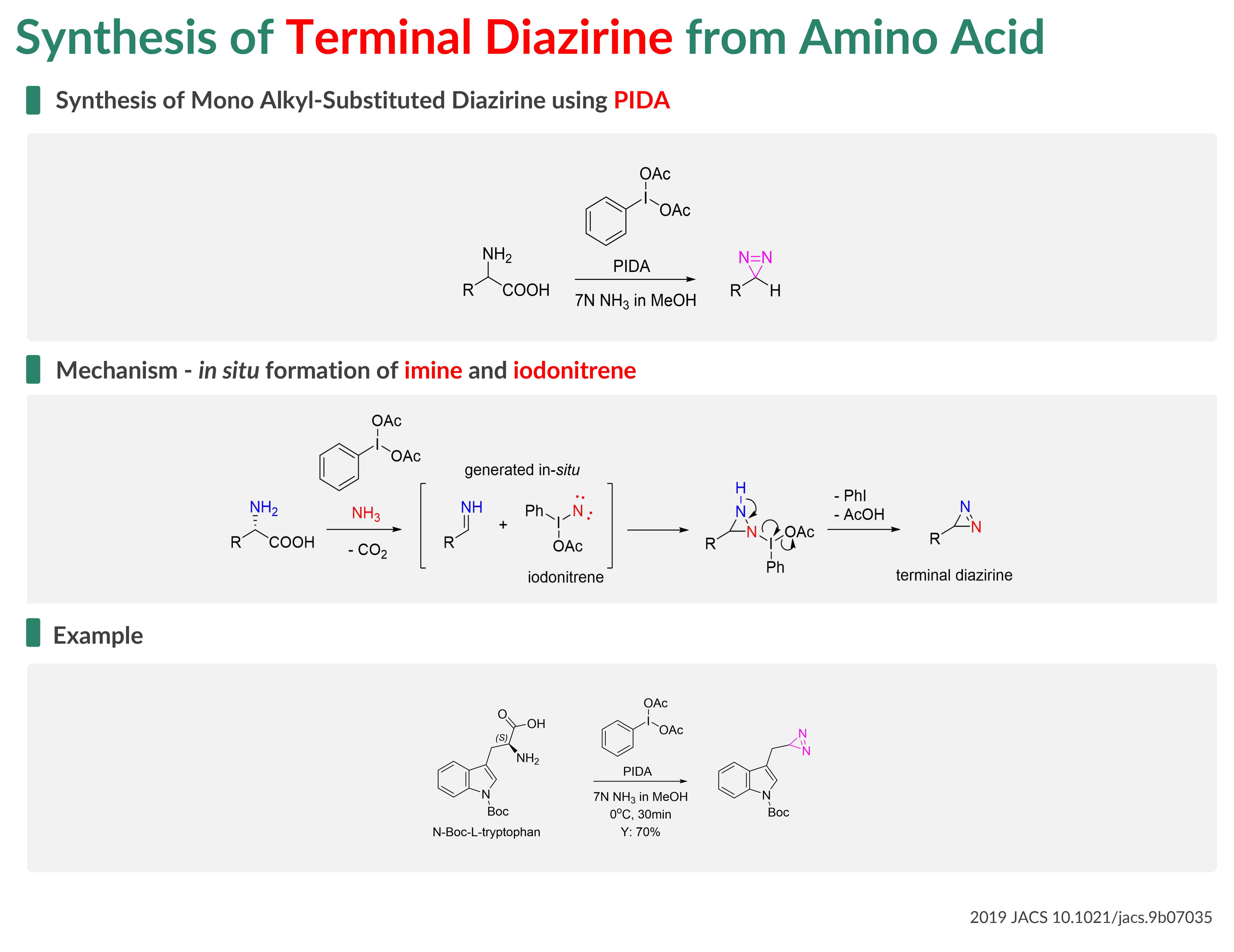
A one-pot metal-free synthesis of terminal aliphatic diazirines from unprotected α-amino acids was reported by Glachet et al. The transformation combines three consecutive reactions in one pot: 1) oxidative decarboxylation of α-amino acid by phenyliodonium diacetate (PIDA) to form imine and iodonitrene intermediates in situ; 2) Iodonitrene rapidly inserts into the imine to yield cyclized diaziridine intermediate; 3) oxidation and formation of the -N=N- bond of diazirine.
Synthesis of Dual Function Aliphatic Diazirine Building Blocks
The synthesis of diazirine-containing bifunctional building blocks with hydroxyl (–OH) or carboxylic acid (–COOH) group is highly relevant for photoaffinity labeling (PAL) and chemical biology applications. Depending on the scaffold (aliphatic versus aromatic/trifluoromethyl phenyl), these dual- or multi- functionalized molecules are constructed using classical approaches or functional group interconversion (FGI) strategies.
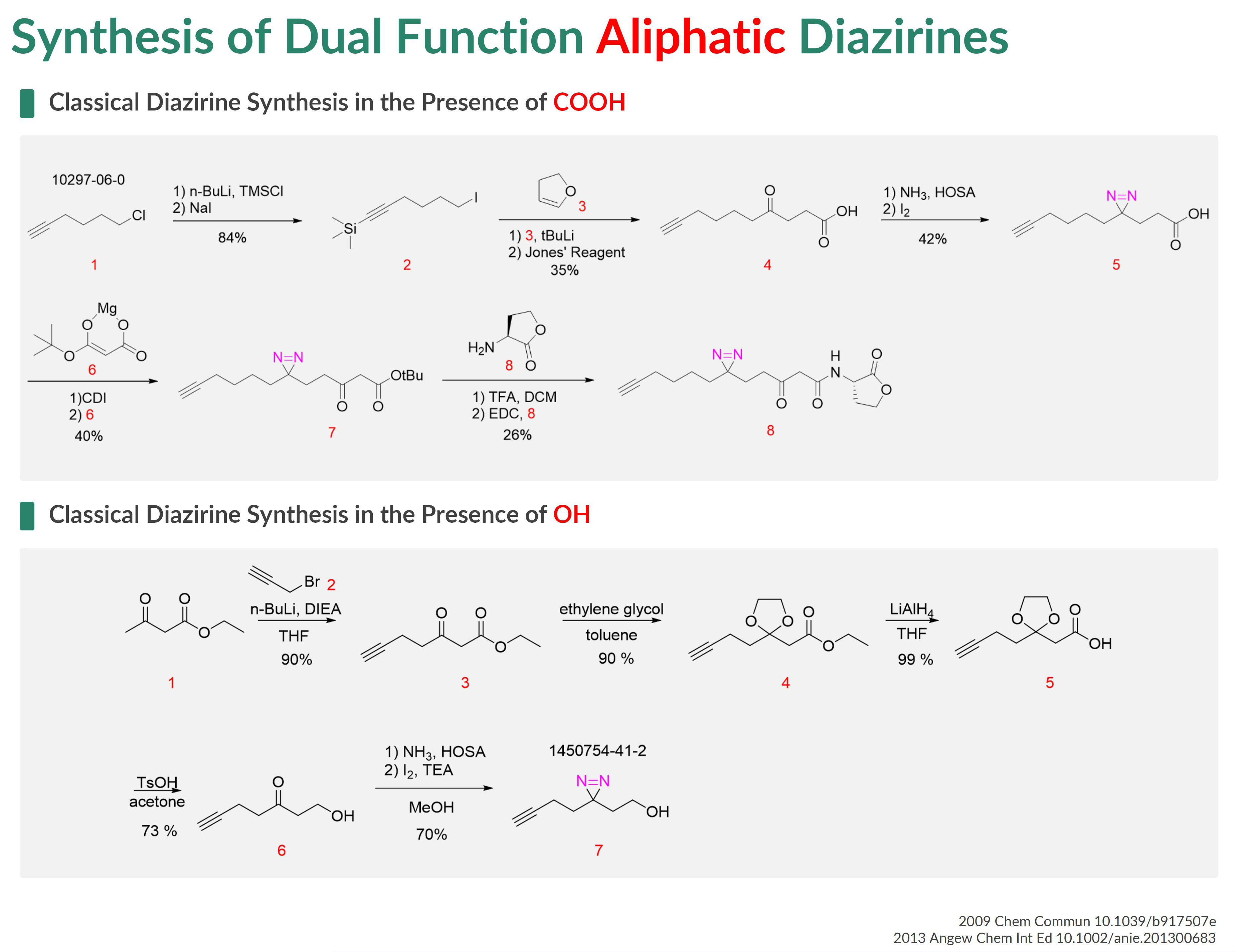
Synthetic strategies have been developed that rely on late-stage diazirine ring formation to construct “clickable” diazirine-containing probes. In one example by Dubinsky et al, conversion of ketone to diazirine was carried out using ammonia and HOSA chemistry in the presence of carboxylic acid (COOH) and terminal alkyne functionalities. The COOH group further reacts with carbonyl-di-imidazole (CDI) followed by magnesium mono-tert-butyl malonate to achieve a carbon-chain homologation. Acidic deprotection of the tert-butyl ester by trifluoroacetic acid (TFA) followed by carbodiimide-mediated amide coupling reaction delivers the final diazirine alkyl amide probe.
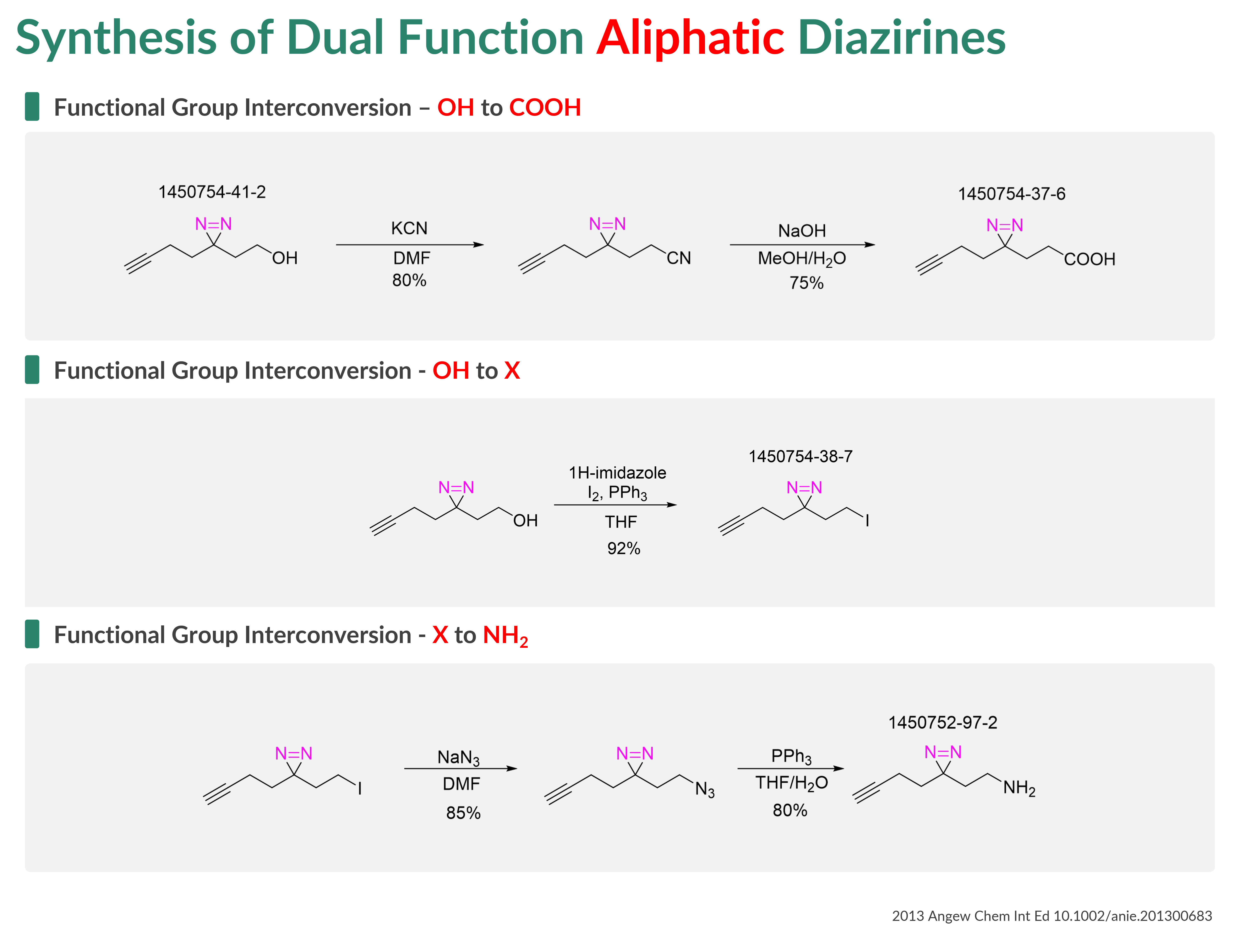
Similarly, Li et al constructed the diazirine ring from ketone using ammonia and HOSA chemistry in the presence of alcohol (OH) and terminal alkyne. The alcohol group was subsequently converted in the presence of diazirine ring to 1) nitrile (via substitution) then carboxylic acid (via basic hydrolysis), 2) iodide (via Mistunobu), and 3) azide (via substitution) then primary amine (via PPh3 reduction). These different types of chemical transformation demonstrate the stability of aliphatic diazirine ring.
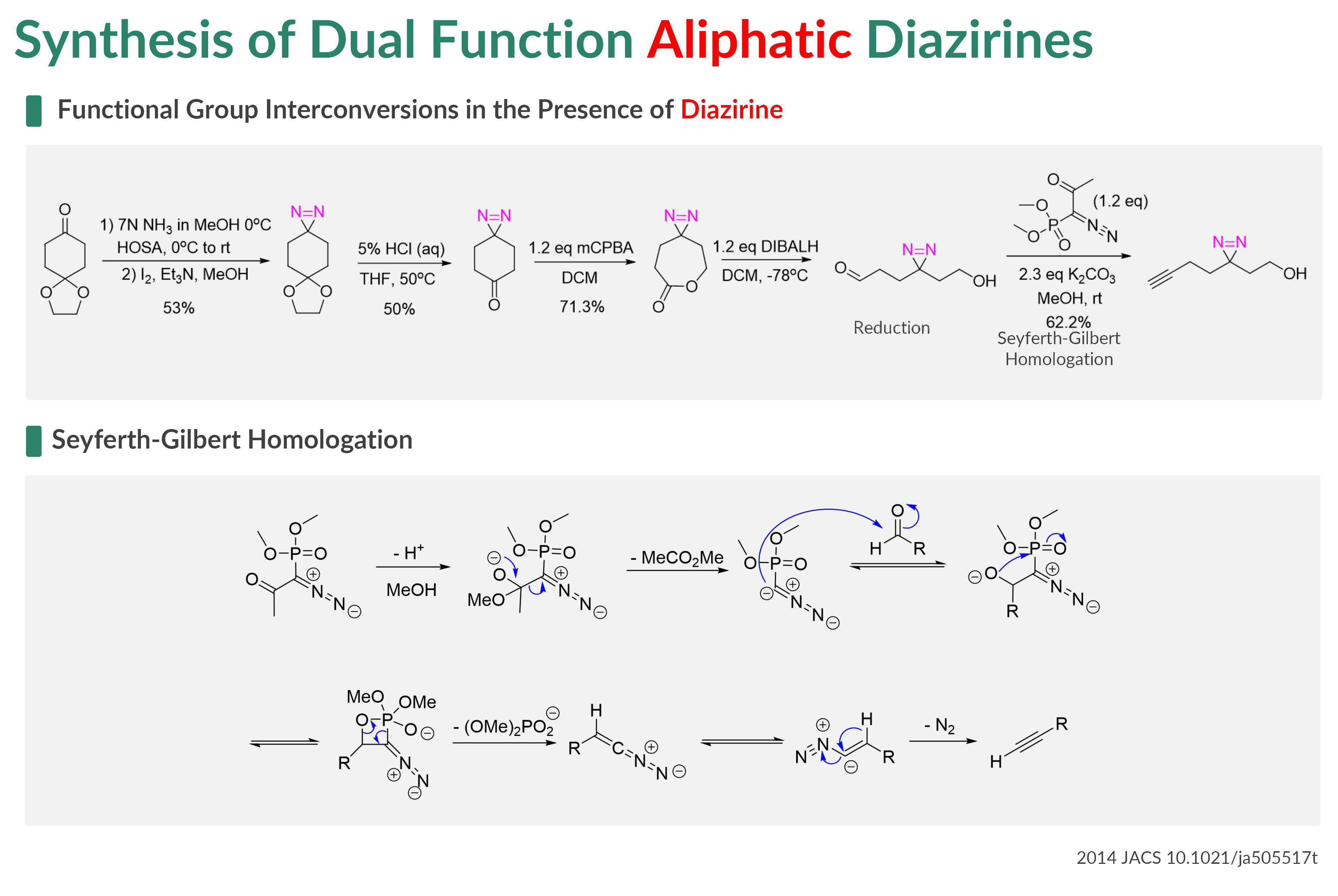
Synthesis of Diazirine-Modified Amino Acid
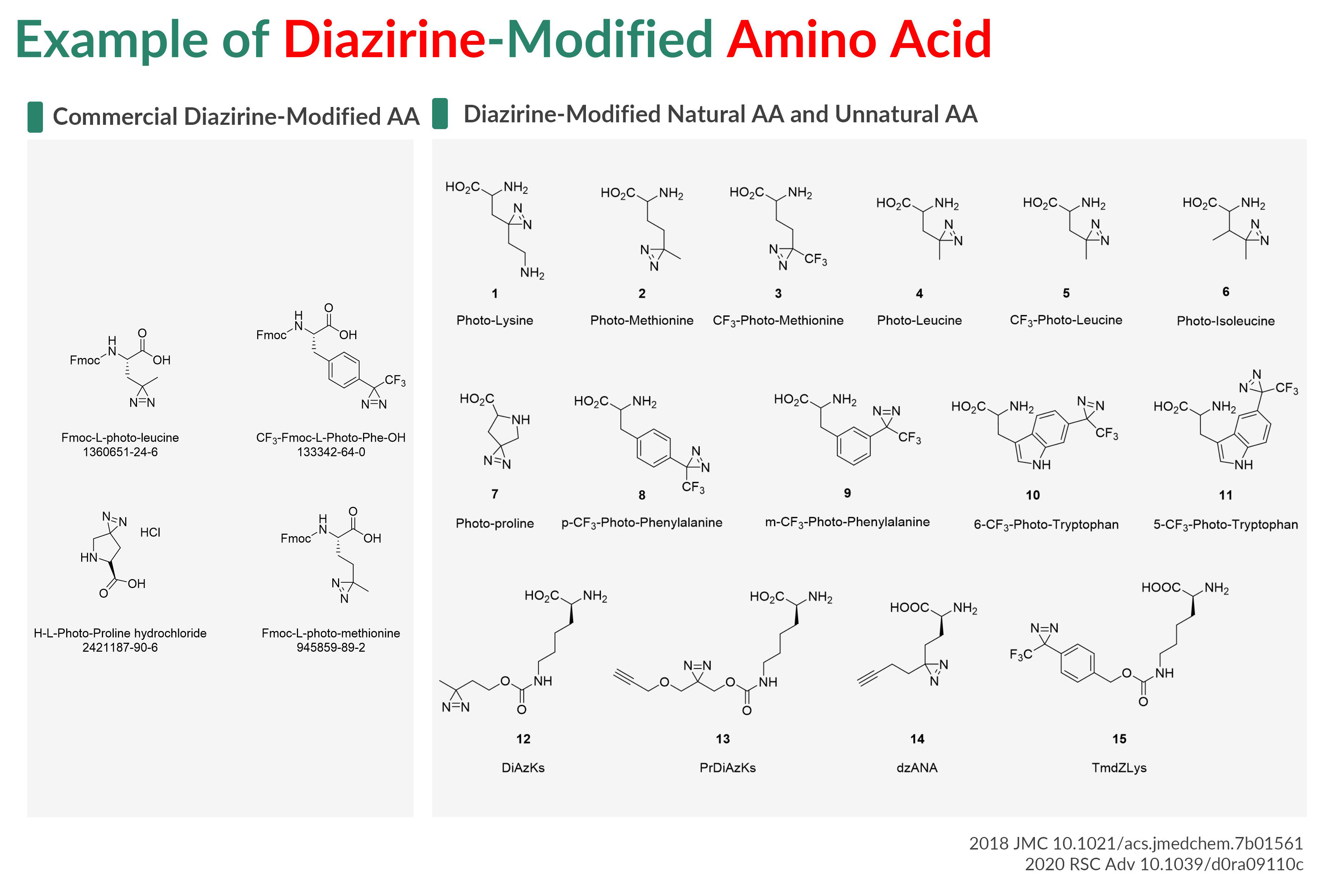
Synthetic diazirine-containing amino acids and diazirine-containing peptides are valuable biochemical and chemical biology tools to assist elucidation of unsolved molecular interactions and mechanisms.
Several strategies for synthesis can be considered: 1) Preformed diazirine amino acid and incorporation by SPPS, 2) Diazirine-containing side-chain building blocks that are introduced onto the peptide, 3) Post-assembly modification of the peptide precursor to install diazirine-ring functionality. The choice depends strongly on the stability of the diazirine under the conditions used for peptide synthesis.
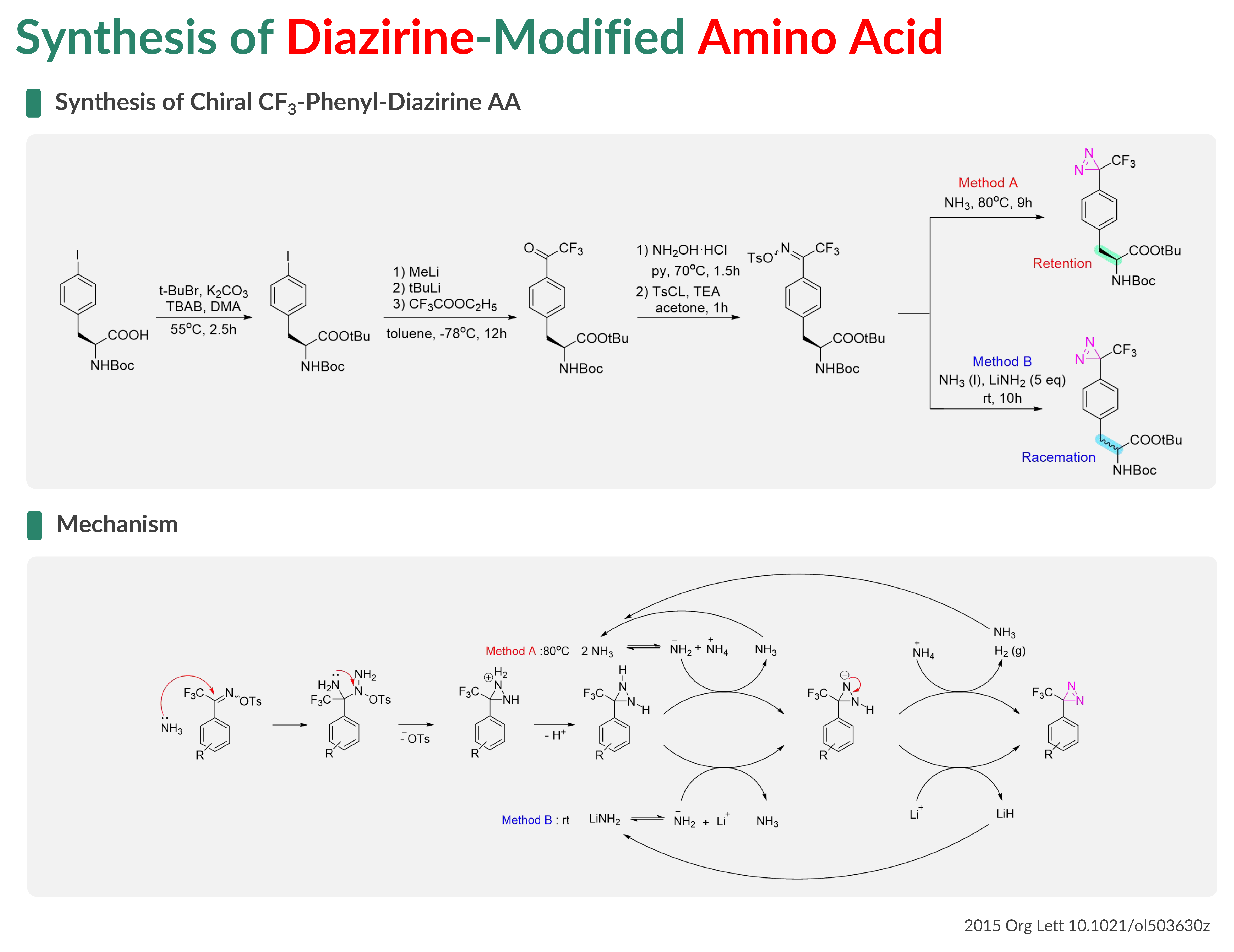
In 2015 Wang and co-authors reported a one-pot oxidant-free synthesis of 3-(trifluoromethyl)-3-phenyldiazirine (TPD) substituted α-amino acids from the O-tosyl-oxime intermediate. The reaction starts with ammonia's nucleophilic addition to the oxime followed by the cyclization to form the diaziridine intermediate. The amide ions (NH2-) that are generated via self-ionization of liquid ammonia (NH3) then trigger in situ dehydrogenation of the diaziridine. The optimized reaction condition prefers sealed tube heating at 80°C for 4 to 13 hours to promote self-ionization of NH3, under which condition the chirality at the α position of the amino acids can be conserved.
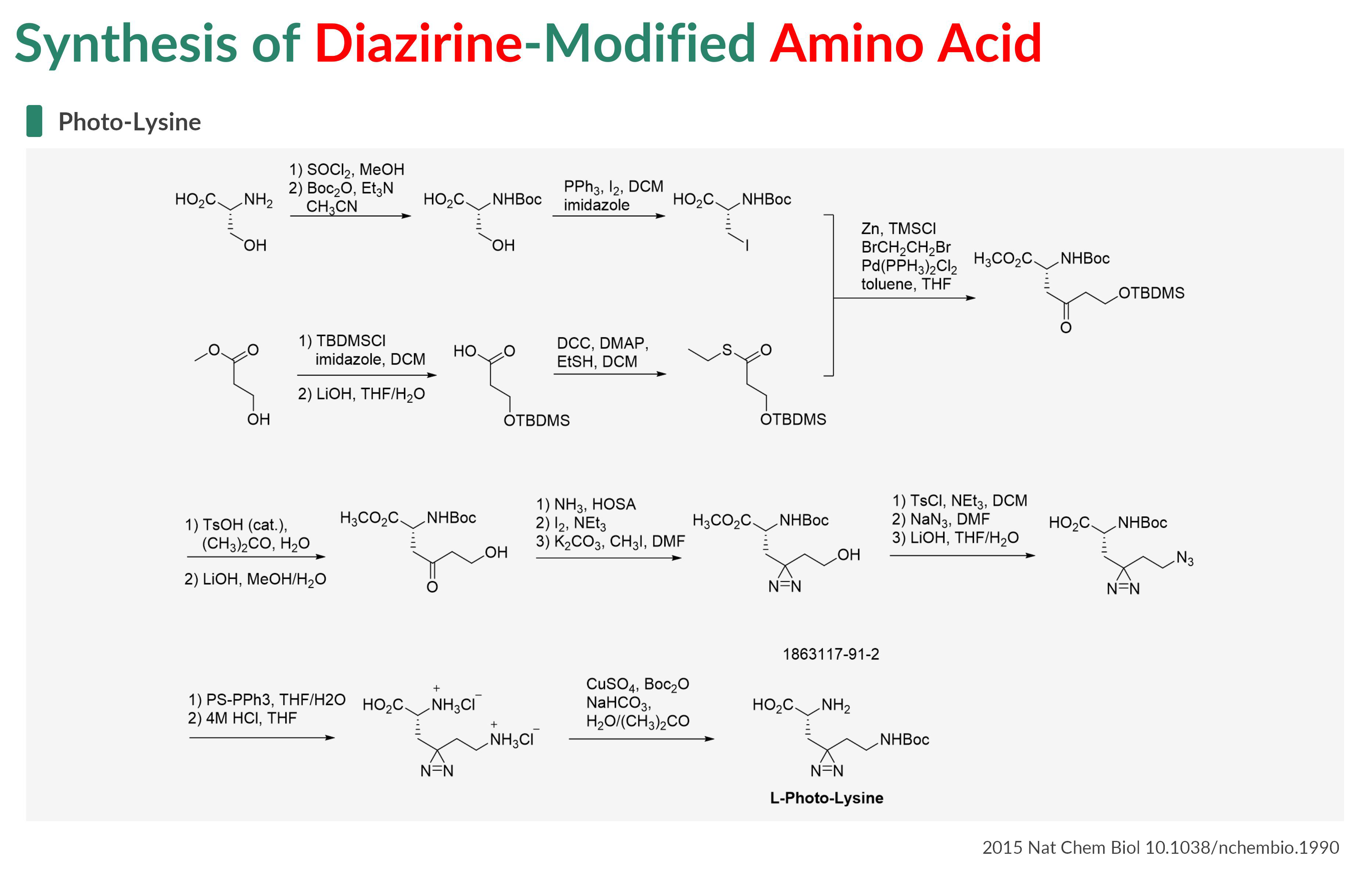
In the same year, Yang et al describes the synthesis of photo-lysine and its application for protein capture and identification. The photo-lysine used in the study was designed to closely mimic natural lysine by incorporating a diazirine into the side chain. The photo-lysine synthesis took 10 total steps with highlights of the functional group interconversion from OH to azide and finally Boc-protected NH2.
Viva Biotech Chemistry Services
Different molecular scaffolds and applications call for tailored synthetic strategies—from the preparation of diazirine-containing building blocks and late-stage modification of complex molecules to the development of amino acids, peptides, and chemical probes.
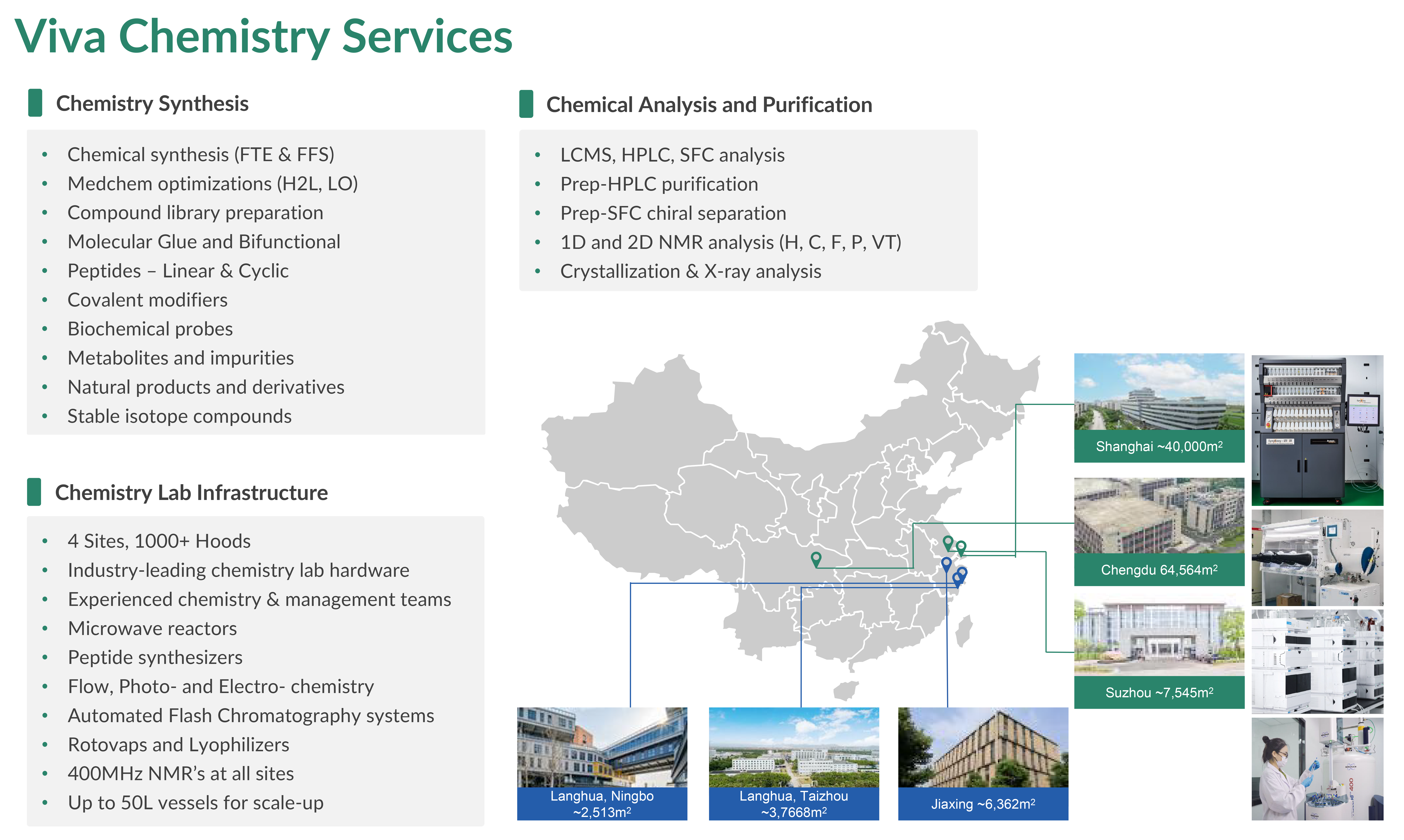
Viva Biotech's chemistry teams have extensive experience in the design, synthesis, and route optimization of diazirine-containing building blocks, amino acids, peptides, small molecules, and chemical probes. Combining chemistry expertise, modern chemical technologies, laboratory infrastructure, and project management, our teams tailor synthetic strategies and optimize routes to deliver products and services across a wide range of chemical modalities and project stages—from compound and building block synthesis to medicinal chemistry optimization, chemical analysis, and purification.
As a core part of Viva Biotech's integrated drug discovery platform, our chemistry services help accelerate drug discovery and development worldwide.
Reference
Homan, R.A., Lapek, J.D., Woo, C.M., Photoaffinity labelling with small molecules. Nat Rev Methods Primers 2024 4, 30.
Tachrim, Z.P.; Wang, L.; Murai, Y.; Hashimoto, M. New Trends in Diaziridine Formation and Transformation (a Review). Molecules 2021, 26, 4496.
Thomas Glachet, Hamid Marzag, Nathalie Saraiva Rosa, Johannes F. P. Colell, Guannan Zhang, Warren S. Warren, Xavier Franck, Thomas Theis, Vincent Reboul; Iodonitrene in Action: Direct Transformation of Amino Acids into Terminal Diazirines and 15N2‑Diazirines and Their Application as Hyperpolarized Markers. J. Am. Chem. Soc. 2019, 141 (34): 13689–13696.
James R. Hill and Avril A. B. Robertson., Fishing for Drug Targets: A Focus on Diazirine Photoaffinity Probe Synthesis., J. Med. Chem. 2018, 61, 6945−6963
Kambe, Tohru; Correia, Bruno E.; Niphakis, Micah J.; Cravatt, Benjamin F., Mapping the Protein Interaction Landscape for Fully Functionalized Small-Molecule Probes in Human Cells. J. Am. Chem. Soc., 2014, 136, 10777−10782
Li, Z., Hao, P., Li, L., Tan, C.Y.J., Cheng, X., Chen, G.Y.J., Sze, S.K., Shen, H.-M. and Yao, S.Q., Design and Synthesis of Minimalist Terminal Alkyne-Containing Diazirine Photo-Crosslinkers and Their Incorporation into Kinase Inhibitors for Cell- and Tissue-Based Proteome Profiling. Angew. Chem. Int. Ed., 2013, 52: 8551-8556.
Luba Dubinsky, Lucja M. Jarosz, Neri Amara, Pnina Krief, Vladimir V. Kravchenko, Bastiaan P. Krom, Michael M. Meijler; Synthesis and validation of a probe to identify quorum sensing receptors. Chem. Commun. 2009, 45 (47): 7378–7380.
J. Brunner;H. Senn;F.M. Richards., 3-Trifluoromethyl-3-phenyldiazirine. A new carbene generating group for photolabeling reagents., J. Biol. Chem., 1980, 255(8), 3313-3318
R. F. R. Church and M. J. Weiss., Diazirines.Ⅱ. Synthesis And Properties of Small Functionalized Diazirine Molecules. Some Observations on The Reaction of a Diaziridine with the Iodine-Iodide Ion System. J. Org. Chem., 1970, 35(8): 2465-2471.
W. H. Graham; The Halogenation of Amidines. I. Synthesis of 3-Halo- and Other Negatively Substituted Diazirines. J. Am. Chem. Soc., 1965, 87 (19): 4396–4397.
Author Contributors
Kejia Ding writing - original draft preparation (lead), writing – review & editing (lead), visualization (equal);
Ruojin Bian writing – review & editing, visualization (equal);