Intelligent Humanization Design
Utilizing deep learning and homology analysis to identify and optimize non-human antibody sequences


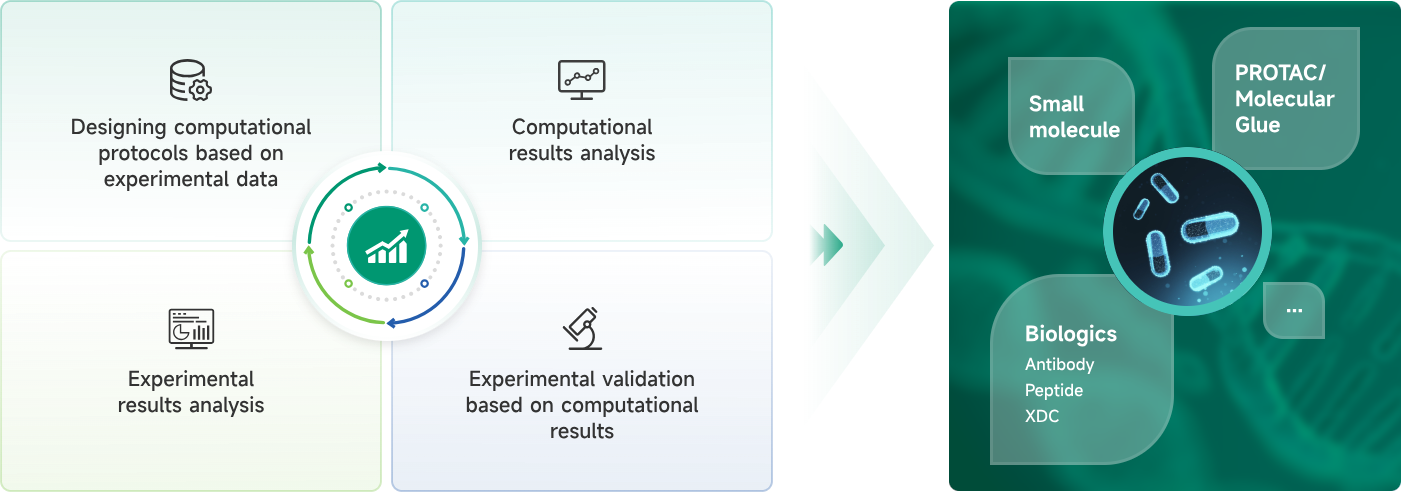
Leveraging the dual power of computation and experimentation, the Viva AIDD/CADD platform delivers integrated wet-and-dry lab solutions for diverse drug modalities. We provide an efficient optimization pathway at every stage of drug discovery by screening and refining molecules with multiple computational strategies. All results are validated through experimental methods, with feedback continuously used to optimize our AI models and strategies.

Determination of simulation system atoms
Force field parameter preparation for each component
MD simulation configuration

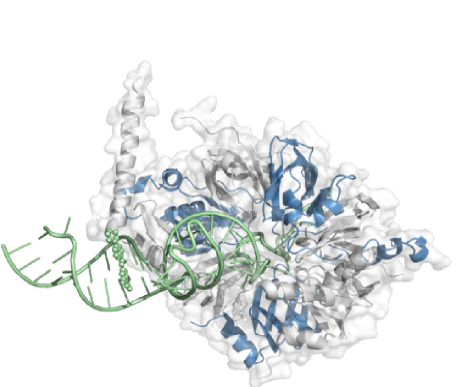
Utilizing RNA molecular dynamics simulation to understand the mechanism of action (MOA)
Establishing a method for predicting binding sites and poses

Establish robust correlations between binding affinity and key metrics derived from MD trajectories.

Understanding system dynamics
Refining MD simulation conditions

Structure-based mechanism of action (MOA) study
Continuous improvement of simulation conditions

Integrating known information into new compound design
Using the established metric-affinity relationship to evaluate binding poses and affinity
Determination of simulation system atoms
Force field parameter preparation for each component
MD simulation configuration
Understanding system dynamics
Refining MD simulation conditions
Structure-based mechanism of action (MOA) study
Continuous improvement of simulation conditions
Utilizing RNA molecular dynamics simulation to understand the mechanism of action (MOA)
Establishing a method for predicting binding sites and poses
Establish robust correlations between binding affinity and key metrics derived from MD trajectories.
Integrating known information into new compound design
Using the established metric-affinity relationship to evaluate binding poses and affinity
Comprehensive RNA-target structural analysis
Identification of druggable binding sites
Unveiling binding dynamics and thermodynamics
High-precision binding affinity calculations
Interaction analysis based on enhanced MD simulations
RNA-target specificity assessment
RNA conformational exploration
Understanding of ligand recognition mechanisms
Allosteric regulation analysis
AI-driven ligand design
AI-enhanced virtual screening
AI/ML model-based developability prediction and optimization


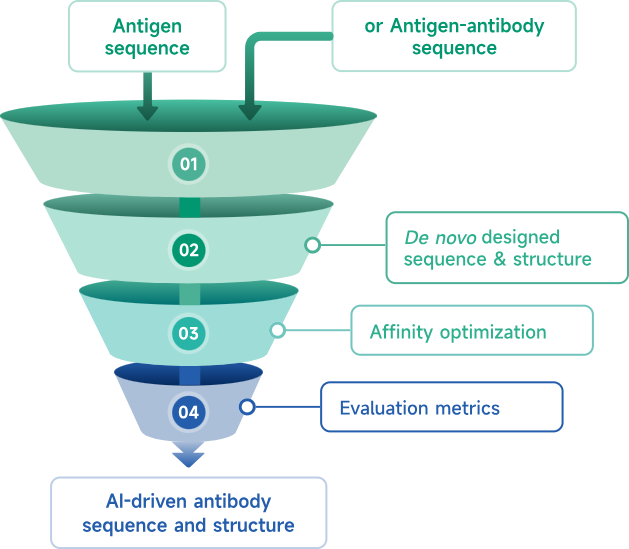
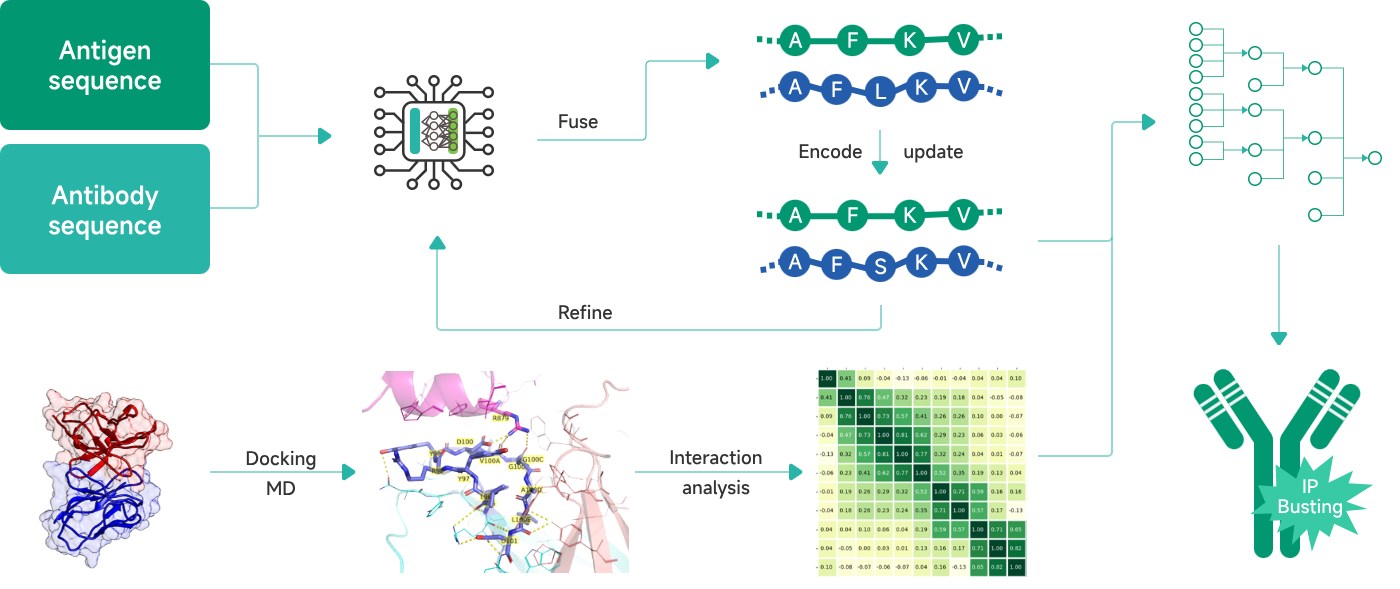


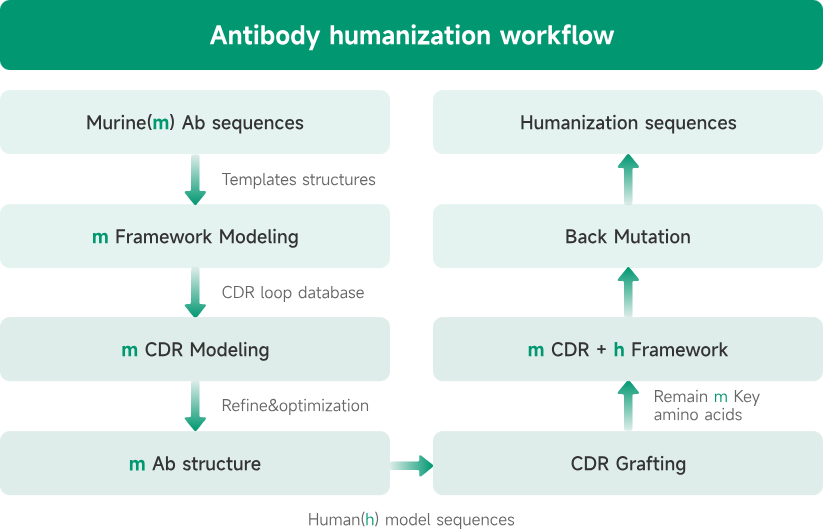
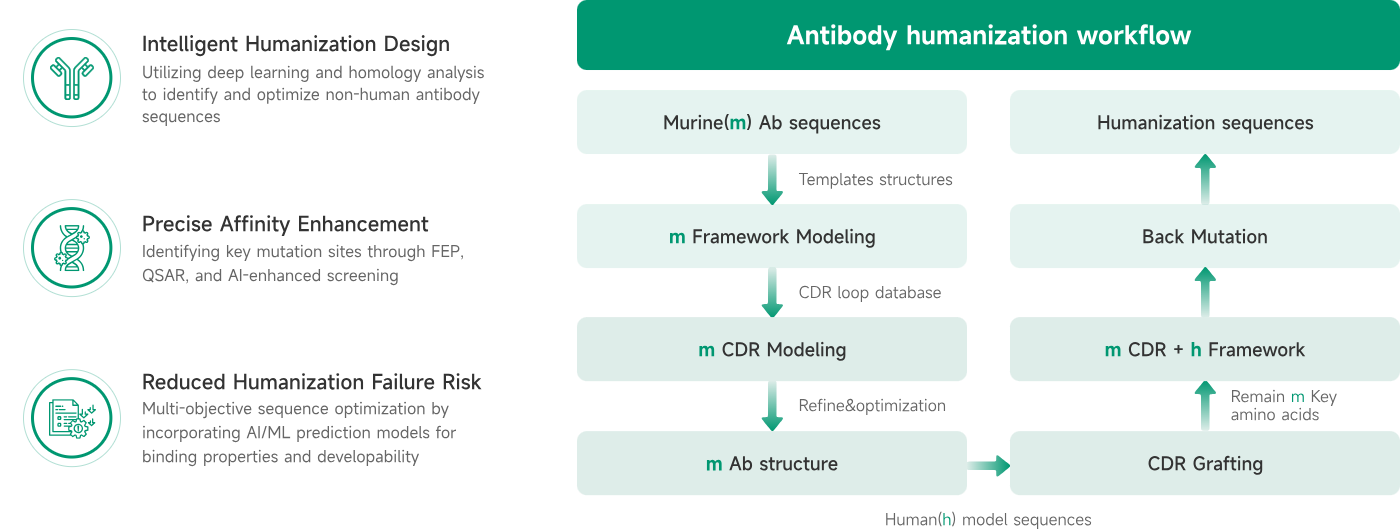
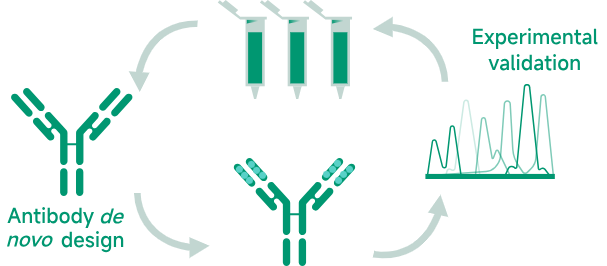
Through the antibody humanization solution on the VIVA Antibody Design Platform, we redesign murine antibodies, enabling them to maintain activity at both the molecular and cellular levels.
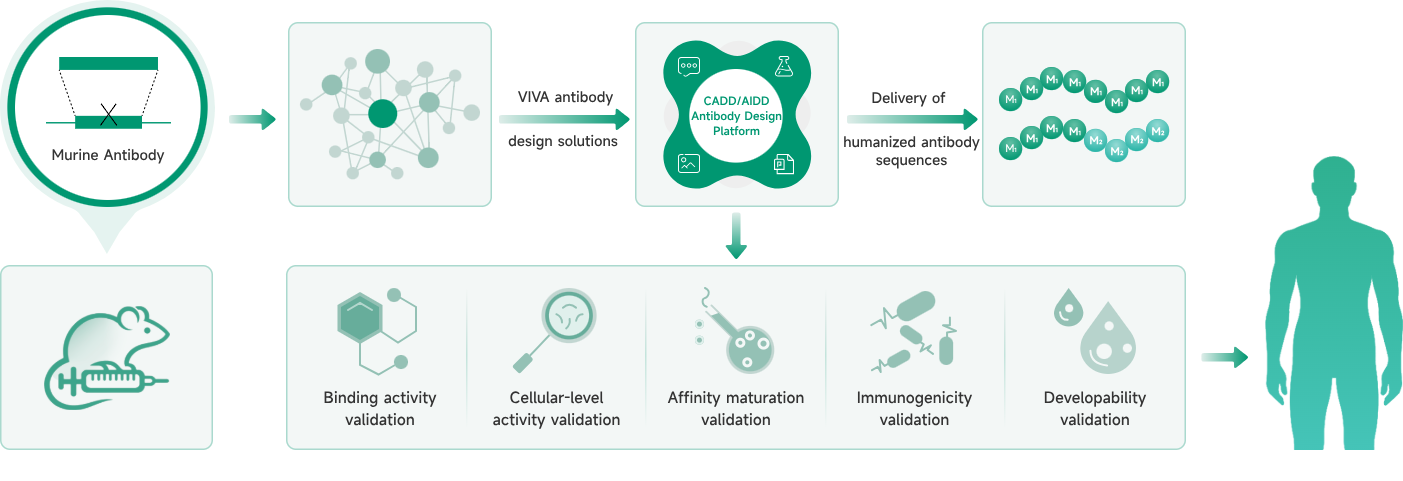
Four delivered humanized antibodies retained activity at the molecular level, with one of them maintaining activity at both the molecular and cellular levels.
Close to 100% success rate in humanization and affinity maturation.
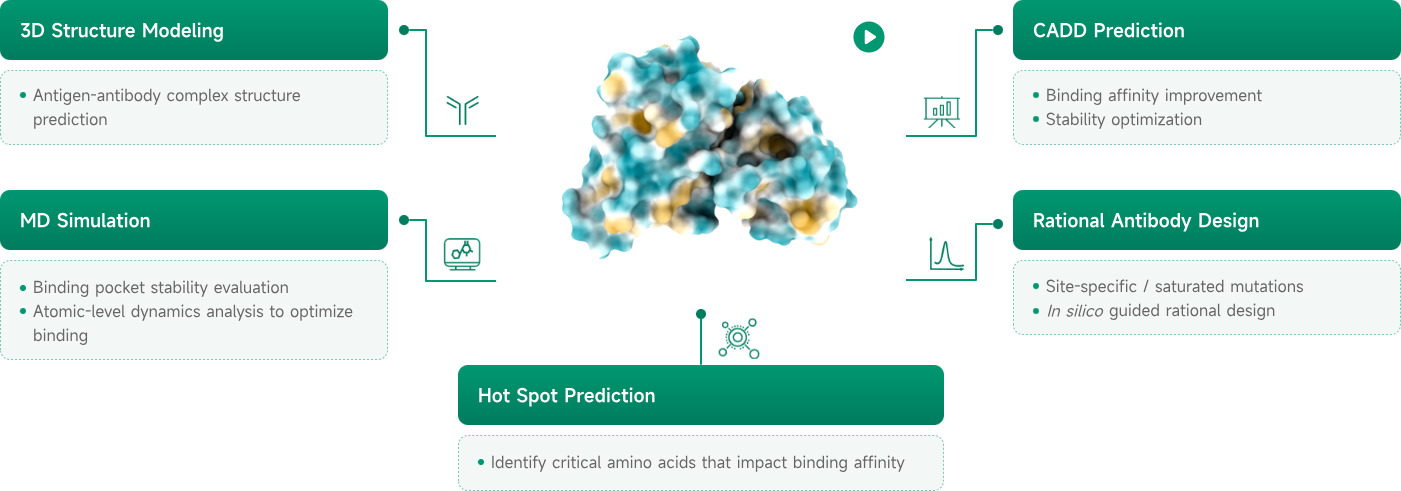
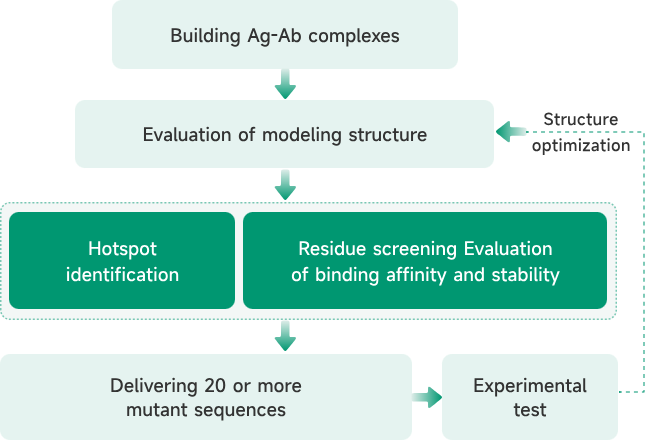
Multi-target affinity fine-tuning for diverse requirements
Patent busting: maintain high affinity with CDR mutations
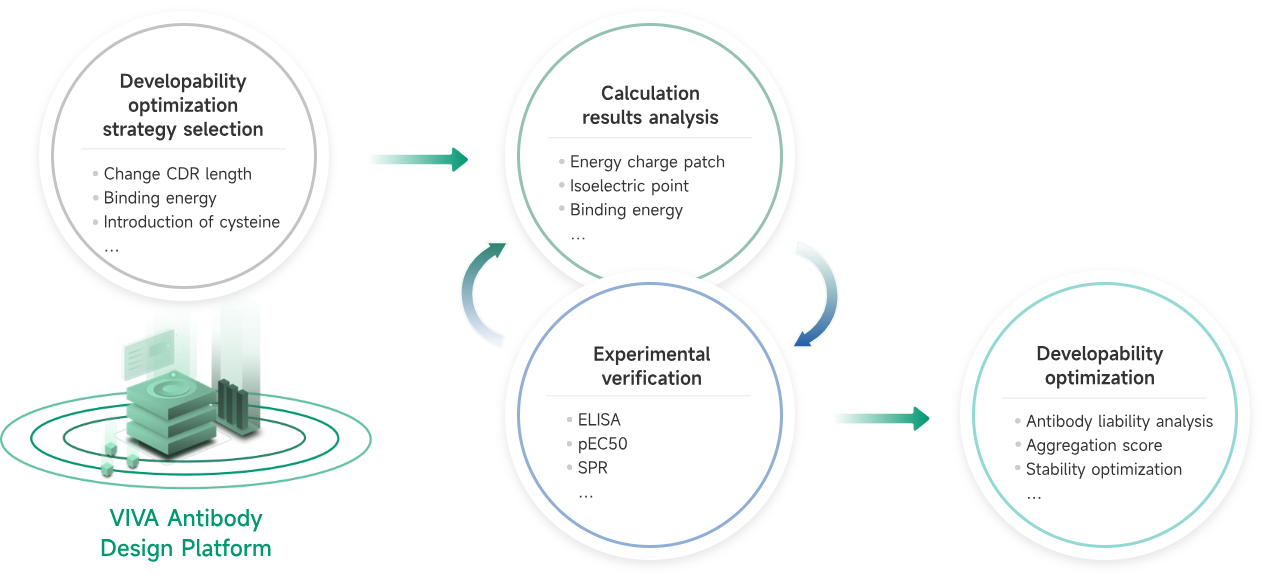


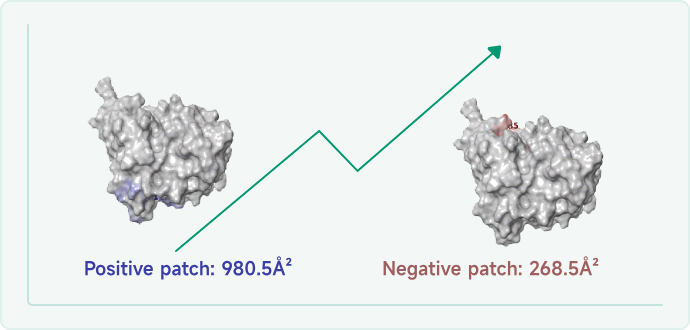
Assessing risks of antibody oxidation, deamidation, proteolysis, glycosylation, and isomerization
Customized improvement of physicochemical properties (e.g., viscosity, aggregation, solubility, and colloidal behavior)
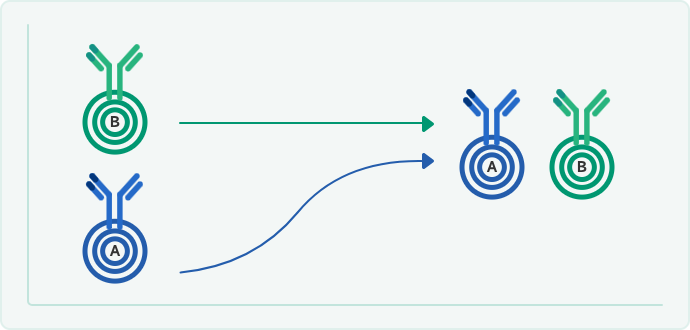
Designing mutations to boost affinity for Antigen A and minimize the affinity gap with Antigen B in a bispecific antibody.
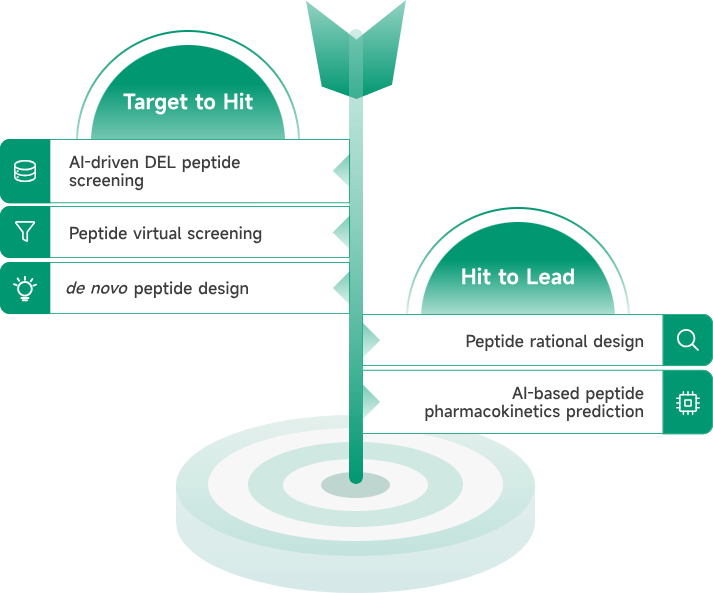
AI-assisted construction of focused peptides DEL libraries
DEL hit extraction and refinement combined with FEP calculation
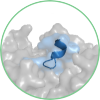
Protein-peptide docking
Molecular dynamic simulation
Binding affinity calculation
Pharmacophore modeling
Similarity searching
2D/3D-QSAR modeling
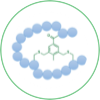
Pocket-based de novo generation
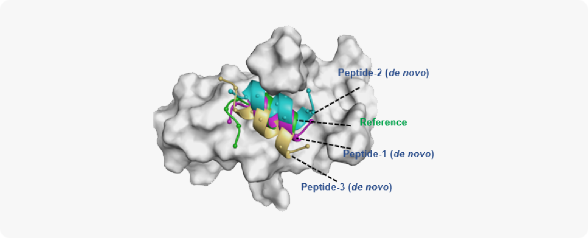
Anchor-based cyclic peptide generation
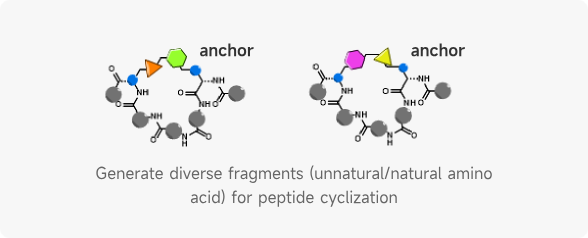


Peptide structure prediction
Dynamic behavior of protein-peptide complexes analysis
Amino acids modification
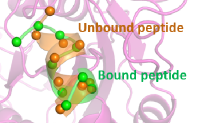
Diverse cyclization strategy
Disulfide cyclization
Thioether bonds cyclization
Hydrocarbon stapling
Click chemistry cyclization
Binding affinity and stability evaluation
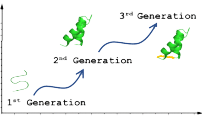
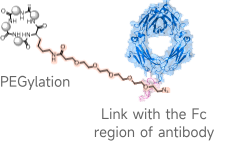
Polymer conjugation

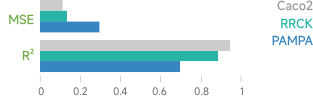
Caco2 regression model
PAMPA regression model
RRCK regression model
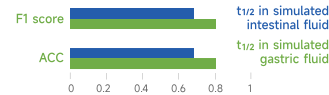
t 1/2 in simulated gastric fluid classification model
t 1/2 in simulated intestinal fluid classification model
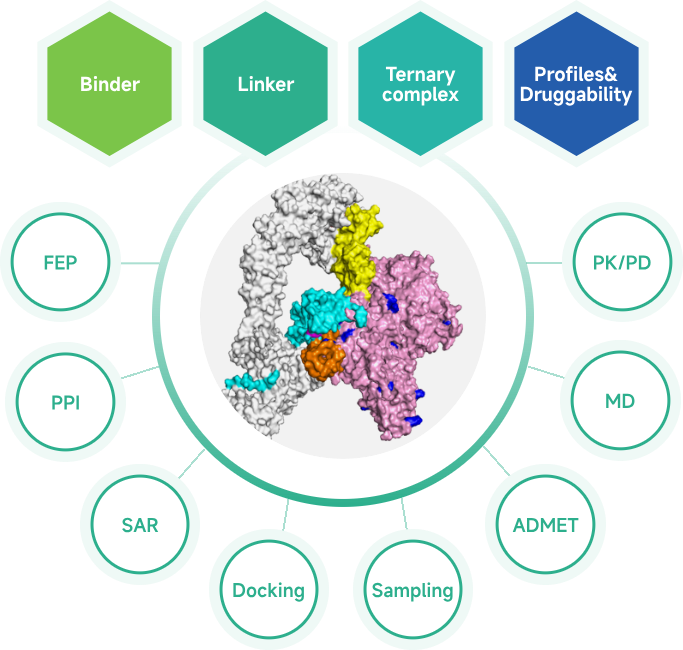
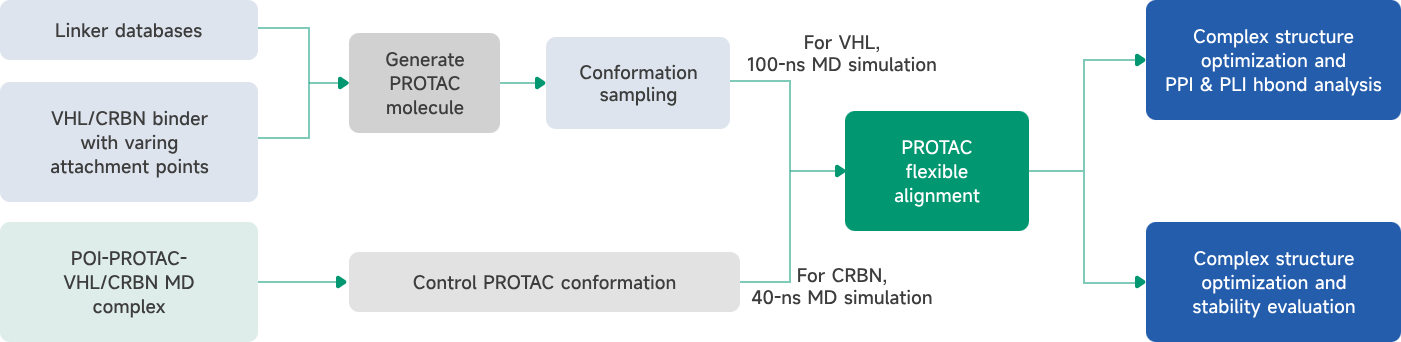
AI-generated linkers
AI-enhanced virtual screening: Based on Viva's proprietary linker library
Leading proprietary PPI scoring system
Optimization based on AI models and MD simulations
Comprehensive judgment based on E2 and ubiquitin
Optimization for diverse binding partners
Leverage Viva's experience in binder and linker synthesis for iterative design
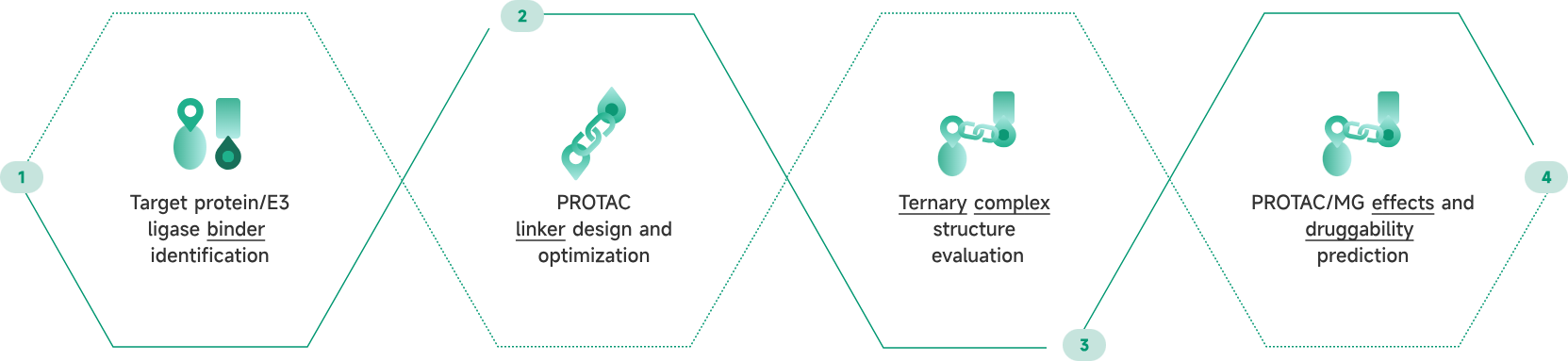
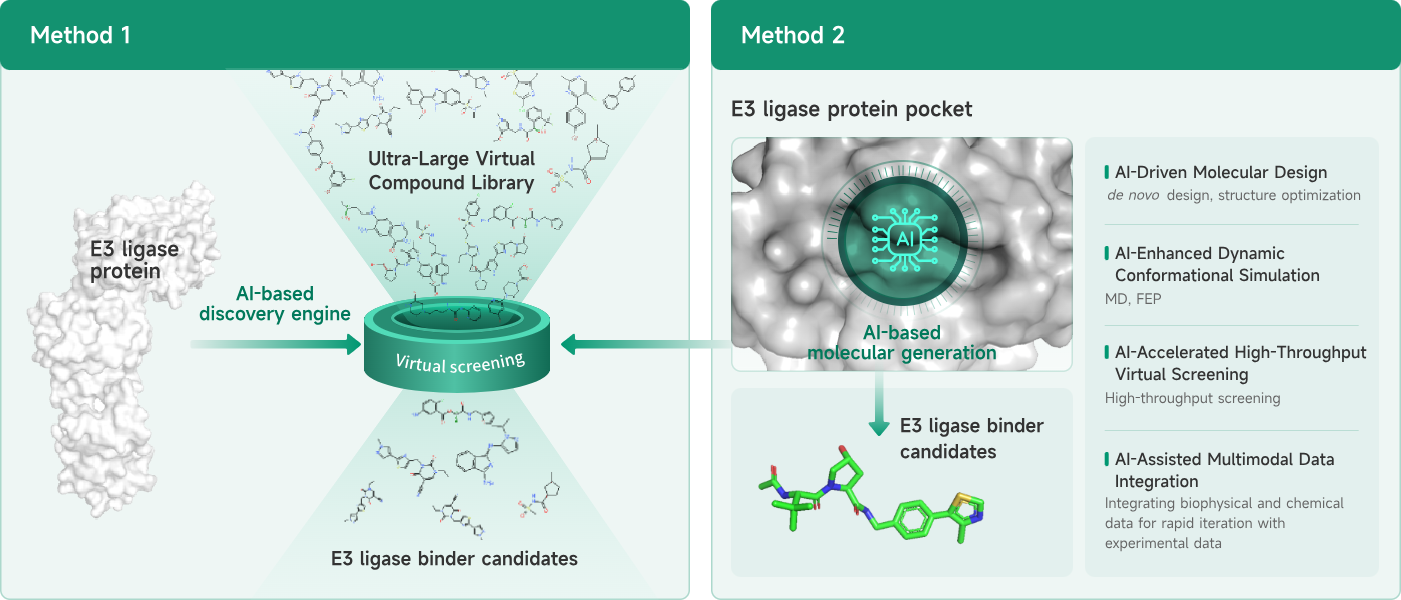
Identify target protein/E3 ligase pocket
Screen, design and optimize the binder
Design handle groups on the linker
Identify appropriate anchor points
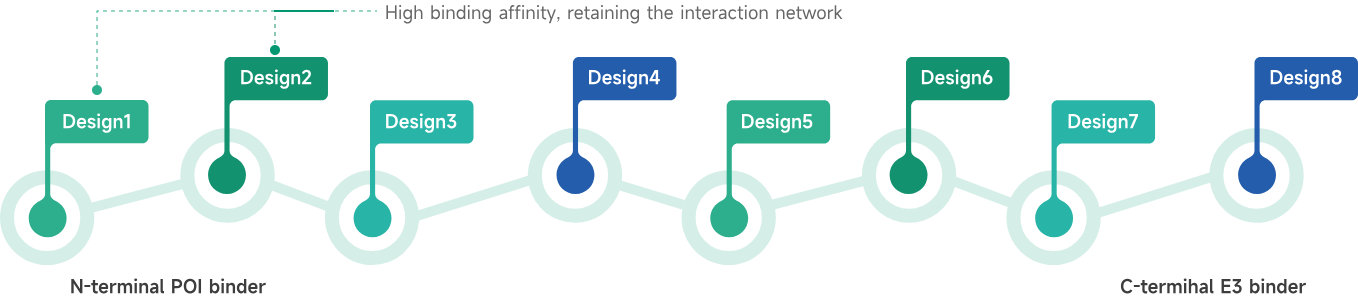
Explore linker length, flexibility and group type
Improve the linker physiochemical property
Model ternary complex structure
Evaluate PROTAC/MG ternary stability
SAR analysis
Degradation activity
Cell permeability
PK/PD & ADMET properties
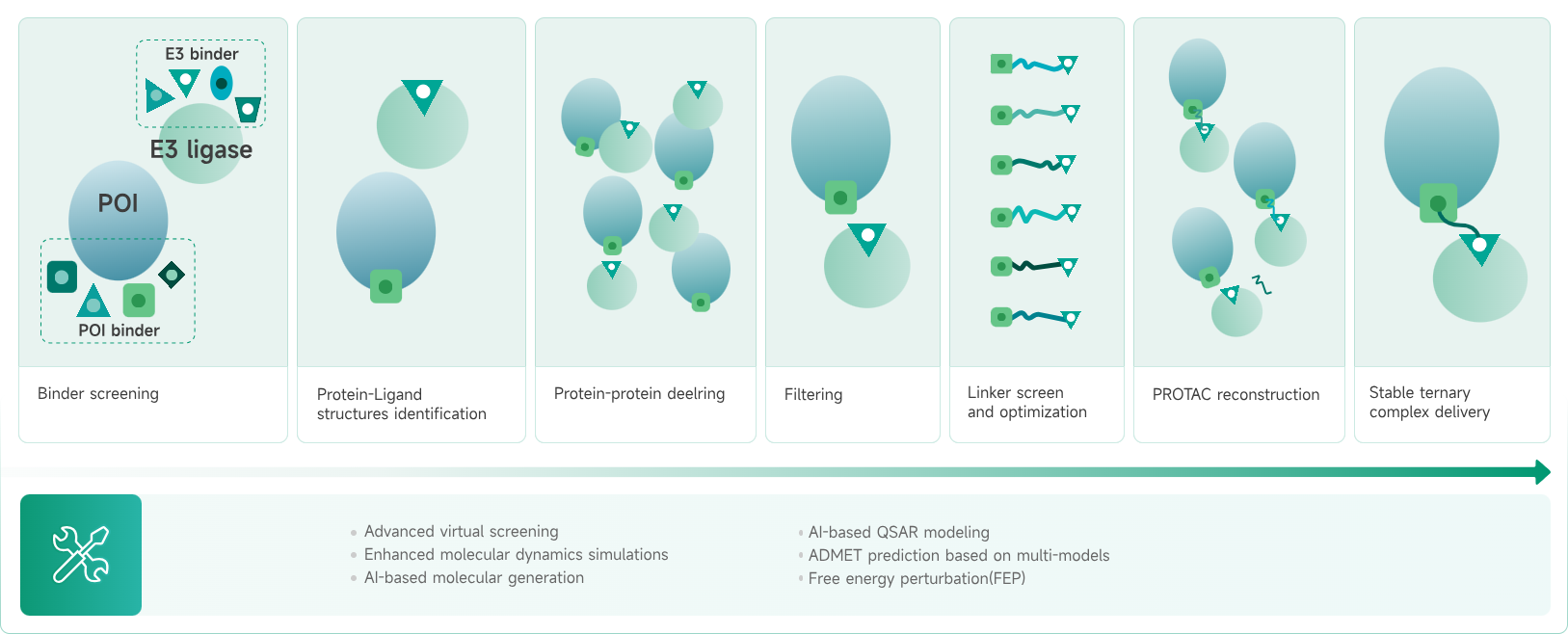
Top-performing scoring system
AI & MD optimization: post-docking refinement
Enhanced PPI model: incorporates E2 and ubiquitin