



Protein phosphorylation is one of the most prevalent and extensively studied post-translational modifications in biology. It is estimated to occur on approximately one-third of all human proteins that regulate nearly every aspect of cellular functions, including signal transduction, transcription, metabolism, protein degradation, and apoptosis.
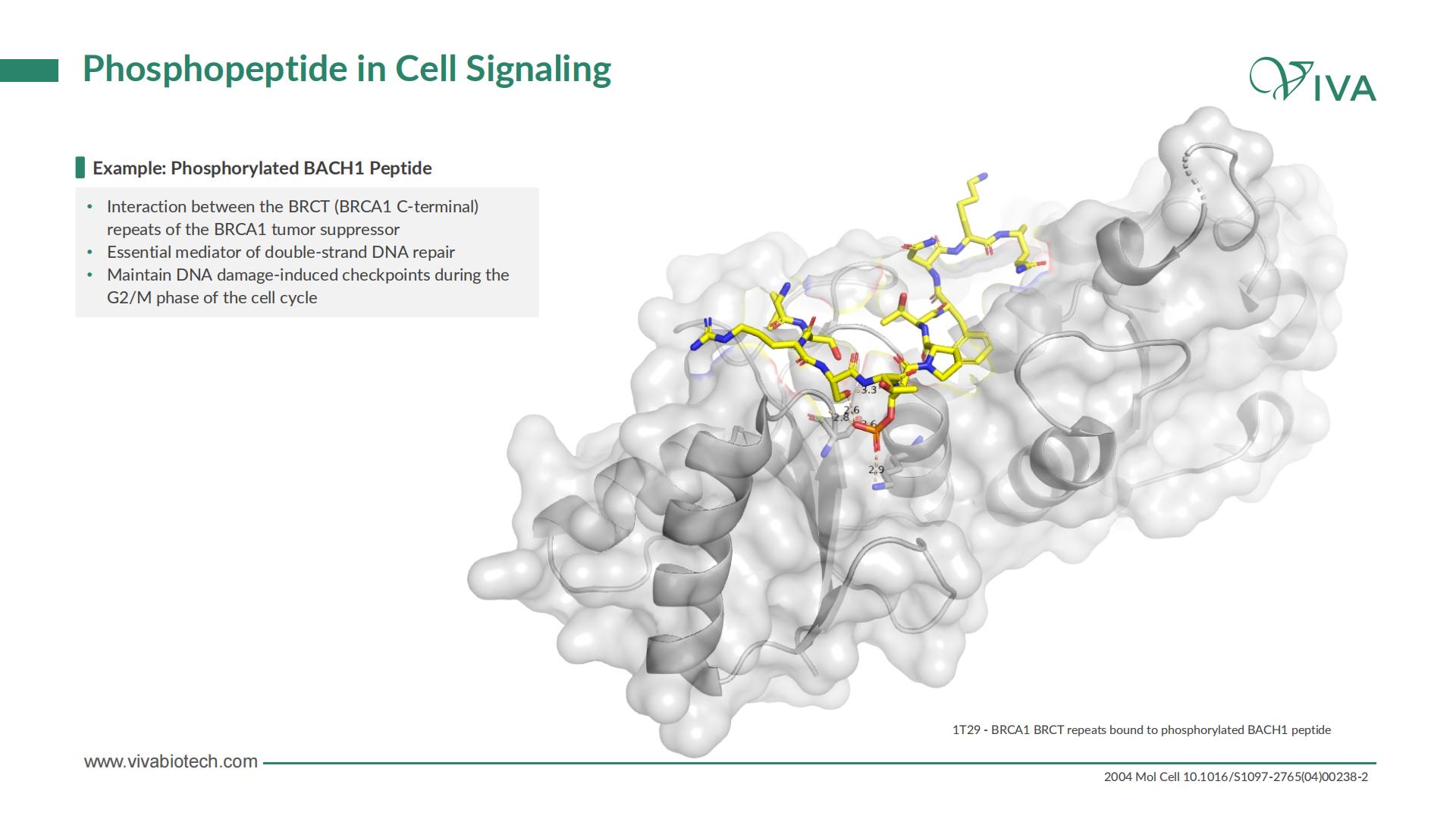
Dysregulation of phosphorylation-dependent signaling has been implicated in numerous human diseases, including cancer, diabetes, autoimmune disorders, and neurodegenerative diseases, making protein phosphorylation a central focus of modern chemical biology, biochemistry, and drug discovery.
Protein kinases and phosphatases are responsible for the reversible phosphorylation of serine, threonine, and tyrosine residues of proteins that enable rapid and dynamic control of protein activity, localization, stability, and intermolecular interactions.
Synthetic phosphorylated peptides are versatile molecular tools for studying phosphorylation-mediated biological processes. They have peptide sequences with specific phosphorylation sites, enabling researchers to determine kinase and phosphatase substrate specificity, characterize phospho-dependent protein–protein interactions, and dissect complex signaling networks.
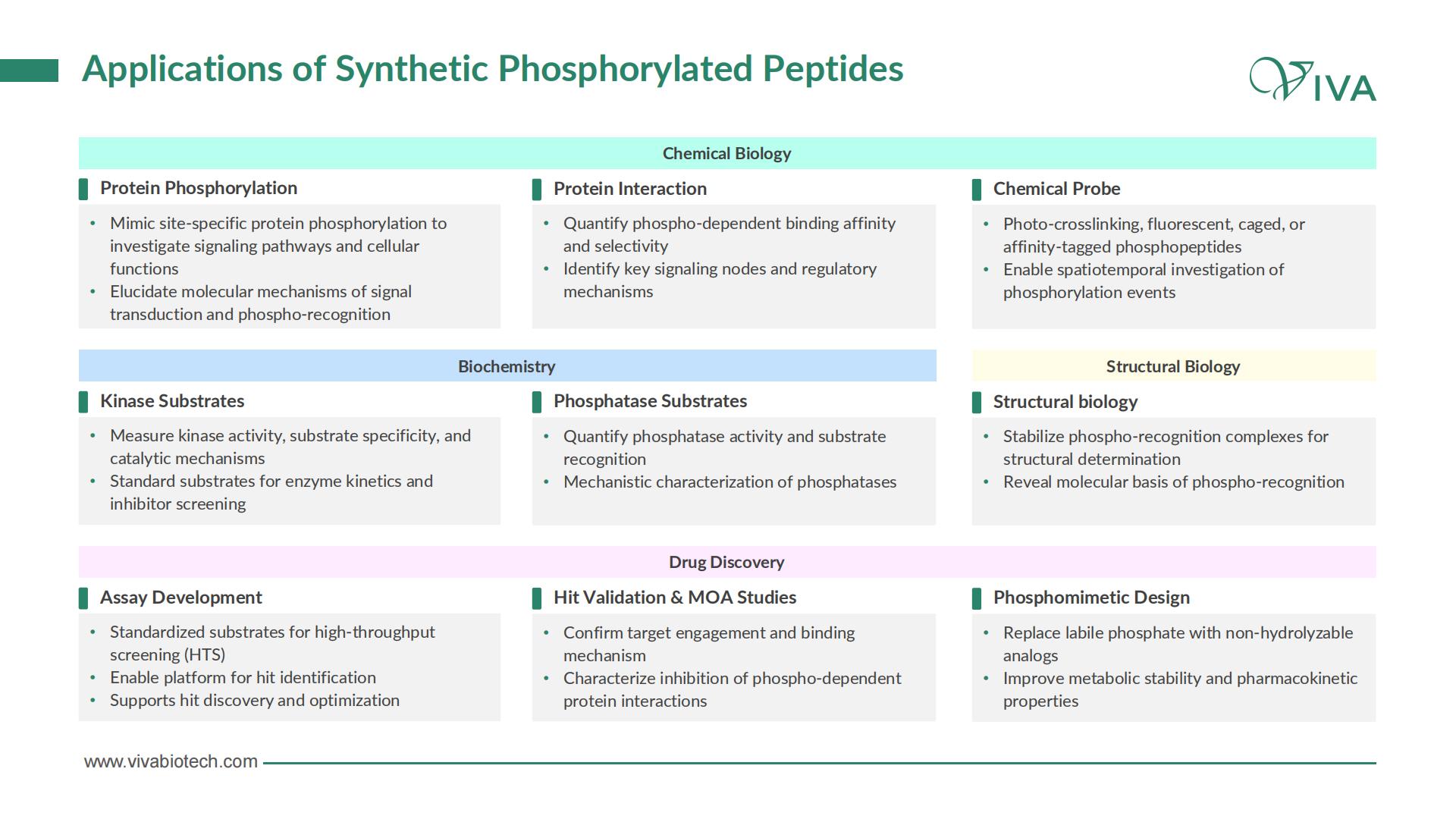
They are routinely employed in enzymatic assays for kinase and phosphatase activity, quantitative phosphoproteomics, affinity measurements, structural biology, and high-throughput screening.
Although their direct therapeutic application is limited by poor membrane permeability, rapid dephosphorylation, and unfavorable pharmacokinetic properties, phosphopeptides are privileged molecular scaffolds for developing phosphomimetic inhibitors, stabilized peptide therapeutics, and targeted delivery systems. Currently, the chemical synthesis of phosphopeptides relies primarily on four major strategies: global phosphorylation, semi-global (on-line) phosphorylation, the use of protected phosphoamino acid building blocks, and segment condensation. Each approach offers distinct advantages and is suited to different synthetic requirements.
Global Phosphorylation
The fully synthetic global phosphorylation strategy, commonly termed post-assembly phosphorylation, involves the construction of the complete peptide sequence prior to the introduction of phosphate functionalities. In this approach, serine, threonine, or tyrosine residues intended for phosphorylation are incorporated as their native hydroxyl-containing amino acids, either without side-chain protection or with orthogonal protecting groups that can be selectively removed immediately before the phosphorylation step. Owing to its flexibility, this strategy can be implemented in both Boc- and Fmoc-based solid-phase peptide synthesis (SPPS), as well as in solution-phase peptide synthesis.
Global phosphorylation is generally accomplished through installation of a phosphorus(III) or phosphorus(V) precursor. Phosphoramidites and phosphorochloridates are the most widely employed phosphorylating reagents.
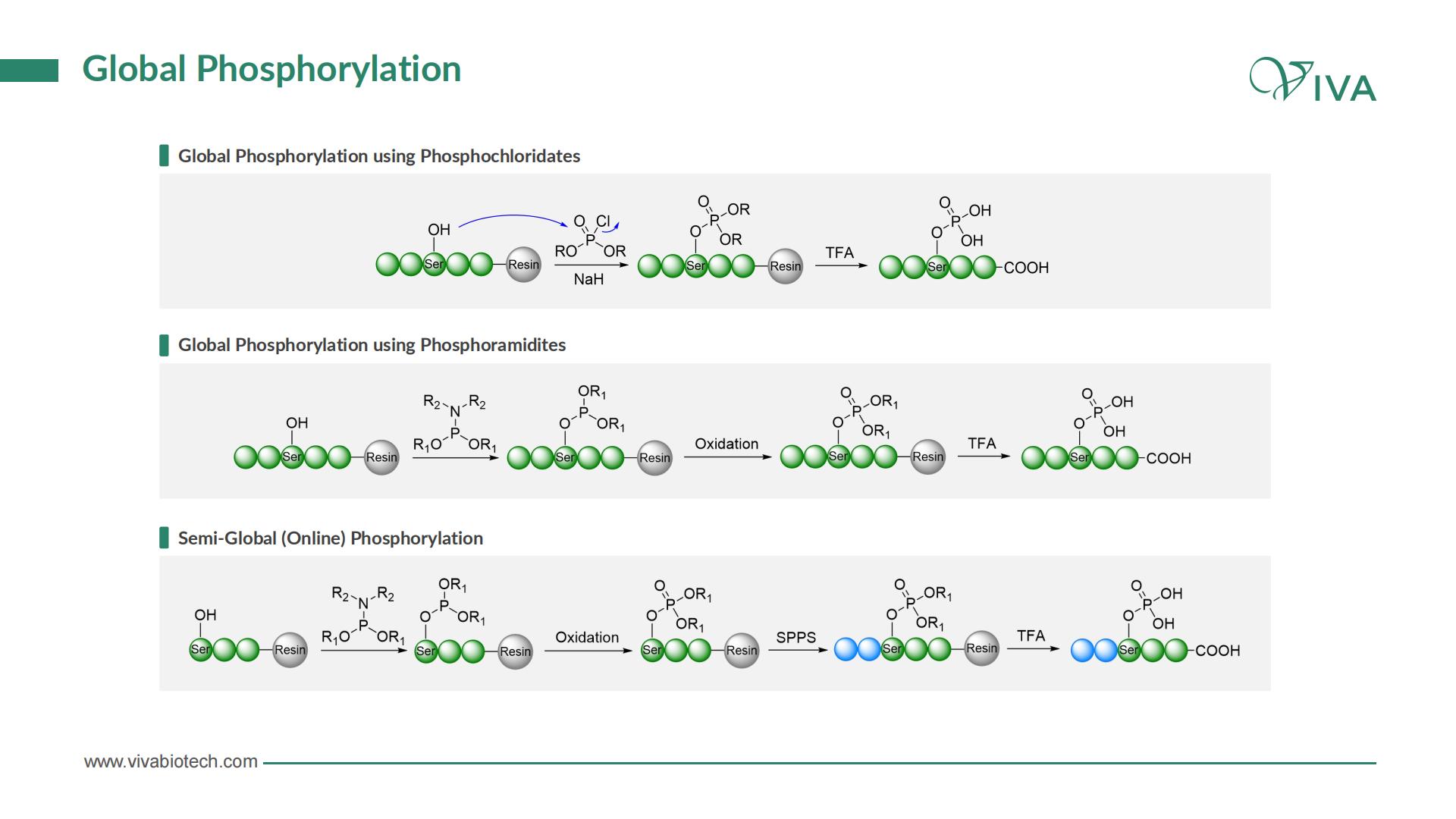
Because phosphate groups are introduced only after peptide assembly is complete, this approach eliminates the need for pre-phosphorylated amino acid building blocks and circumvents the reduced coupling efficiency associated with the steric bulk and diminished nucleophilicity of protected phosphoamino acids.
A few practical limitations have restricted the application of post-assembly global phosphorylation, especially for the synthesis of long or highly functionalized phosphopeptides. Efficient phosphorylation requires rigorously anhydrous reaction conditions, and many phosphorylating reagents exhibit limited stability during storage and handling. In addition, careful optimization of the oxidation step is essential to minimize competing side reactions, particularly the formation of H-phosphonate intermediates or by-products, which can reduce product purity and complicate purification.
Semi-Global Phosphorylation
The semi-global (on-line) phosphorylation strategy involves phosphorylation of the target amino acid side chain immediately after its incorporation during solid-phase peptide synthesis (SPPS), rather than after completion of the full peptide sequence. By introducing the phosphate group at an early stage of chain assembly, the phosphorylation reaction is performed on a shorter and less sterically congested peptide intermediate, which improves reagent accessibility and often results in higher reaction efficiency, product purity, and overall synthetic yield. This strategy has proven particularly effective for the preparation of phosphotyrosine-containing peptides.
Phosphorylated Amino Acid Building Block
The incorporation of pre-synthesized protected phosphoamino acid building blocks during SPPS remains the most widely adopted strategy for the chemical synthesis of phosphopeptides, largely because of the operational simplicity and compatibility with standard coupling reagents. In this approach, protected phosphorylated amino acids are introduced directly into the growing peptide chain using standard Fmoc-SPPS protocols.
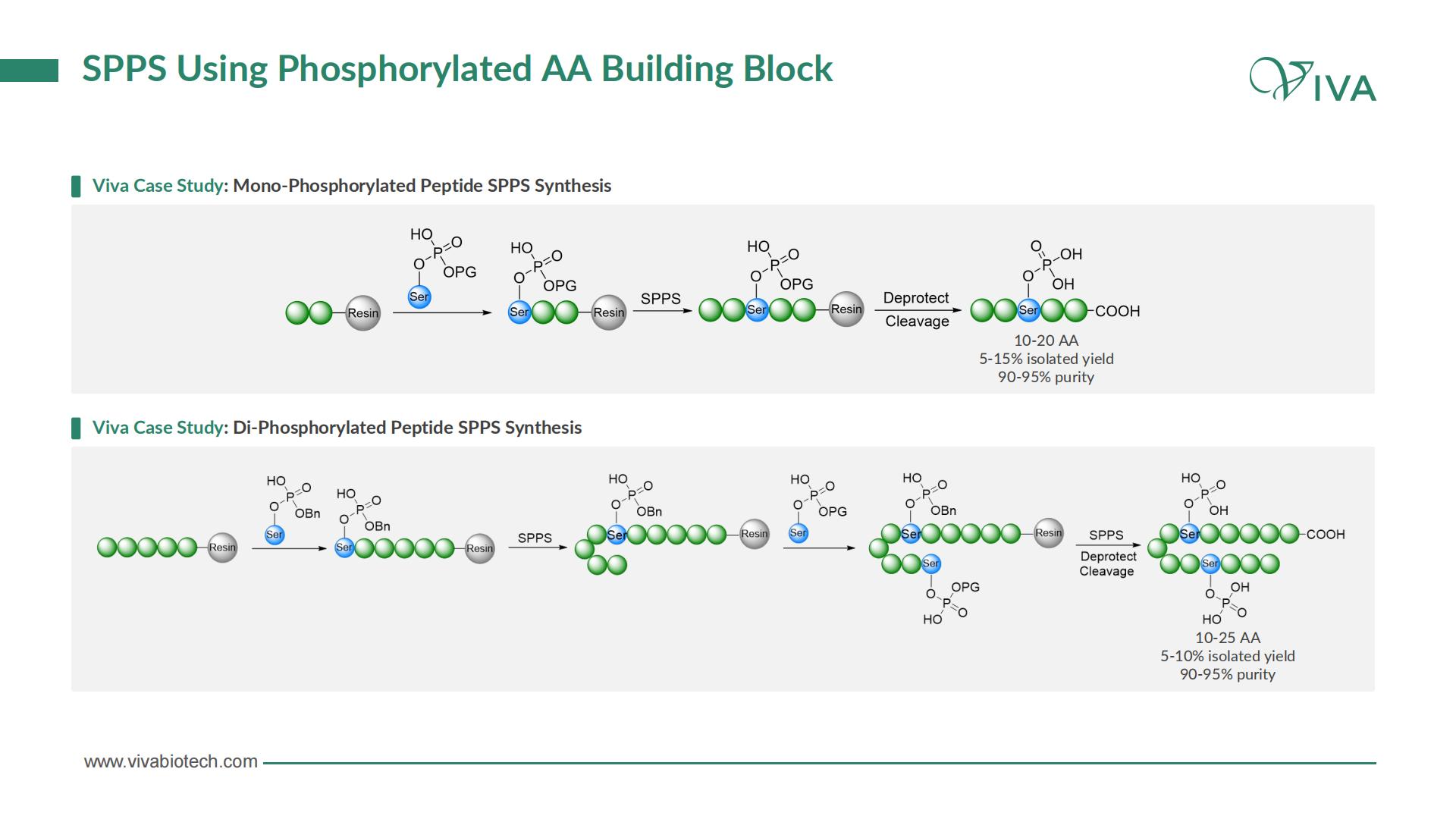
Main challenges of this approach come from the presence of bulky, highly polar phosphate protecting groups that introduce substantial steric and electrostatic constraints during chain elongation. The coupling efficiencies diminish as a result. This is particularly pronounced for phosphothreonine residues, where the additional β-methyl substituent further increases steric congestion.
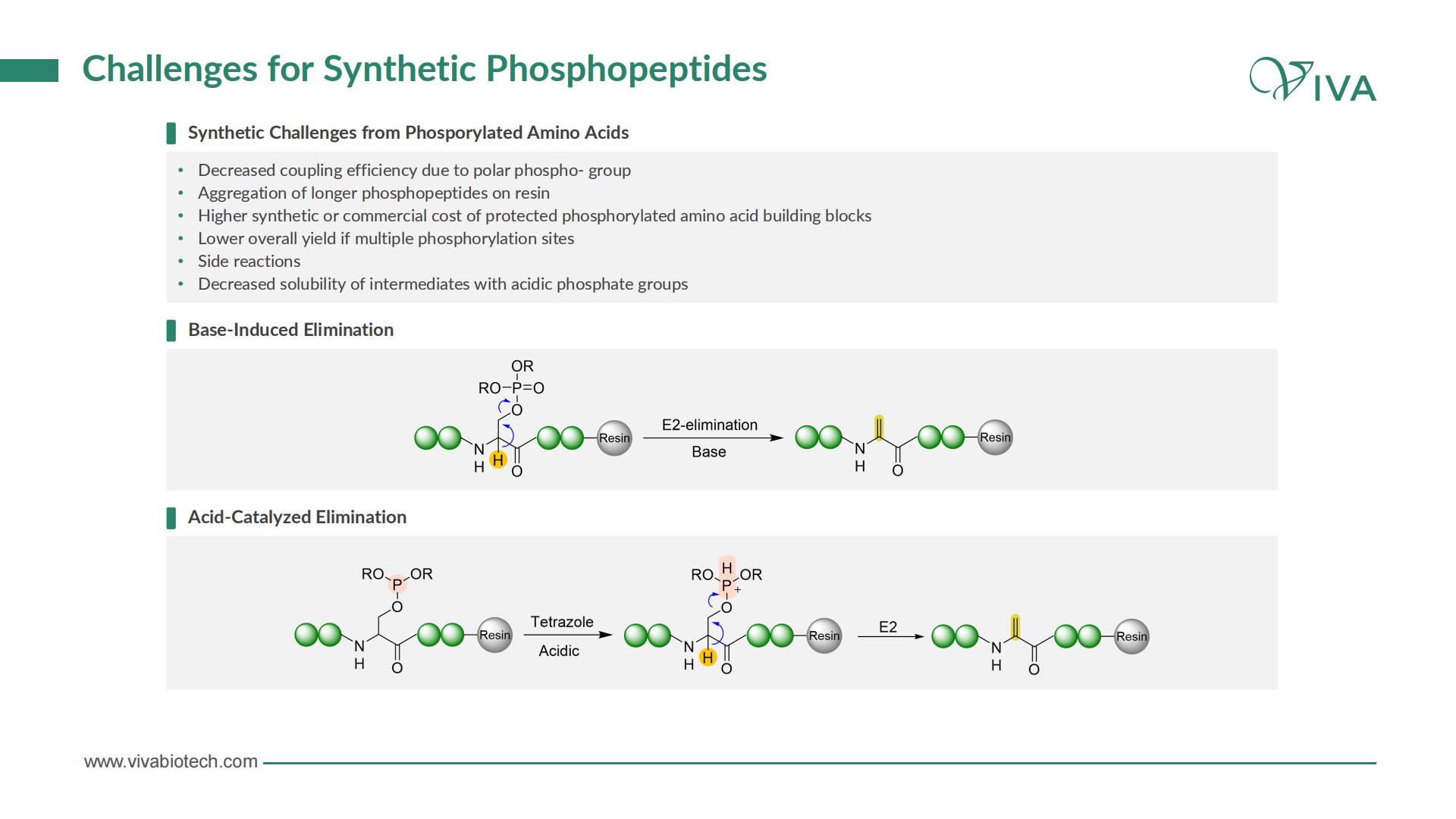
Furthermore, protected phosphoserine derivatives are prone to base-induced β-elimination during repetitive Fmoc deprotection cycles, leading to undesirable side products and reduced overall yields.
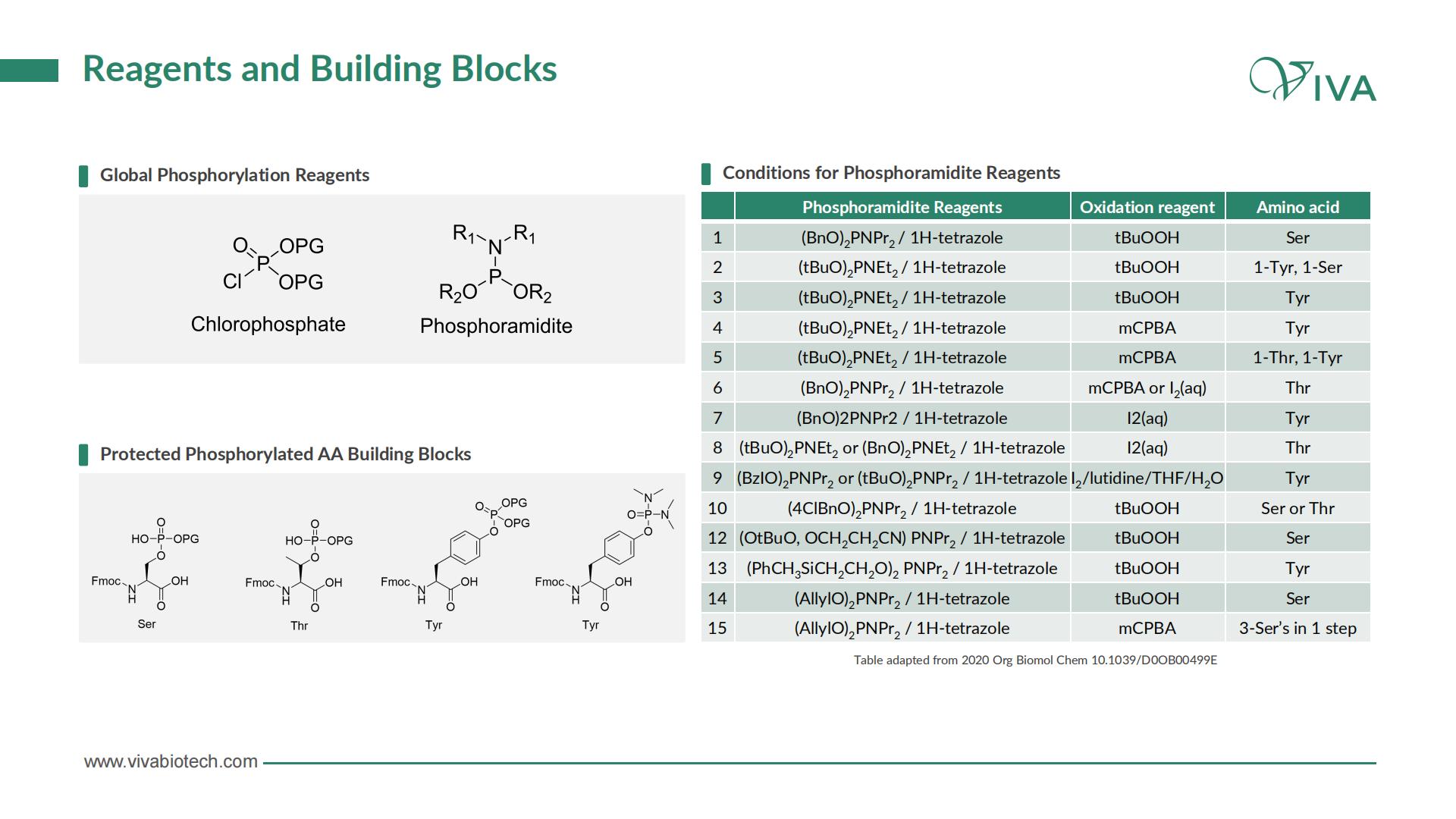
To improve synthetic efficiency and minimize degradation, monoprotected phosphoamino acid building blocks, as well as new SPPS methodologies, have been developed to enhance chemical stability. Microwave-assisted peptide synthesis and automated platforms with programmable heating and cooling cycles have been employed to accelerate coupling reactions while suppressing side reactions during deprotection.
Despite these technological advances, the efficient preparation of heavily phosphorylated peptides containing multiple or closely spaced phosphorylation sites remains a significant synthetic challenge because cumulative steric hindrance, reduced coupling efficiency, and increased susceptibility to side reactions become progressively more severe as the degree of phosphorylation increases.
Segment Condensation
The segment (fragment) condensation strategy (also called convergent peptide synthesis) provides a good alternative for the synthesis of longer or structurally more complex phosphopeptides. In this approach, the peptide sequence is divided into smaller fragments. The segment containing the phosphorylation site is synthesized and phosphorylated prior to assembly.
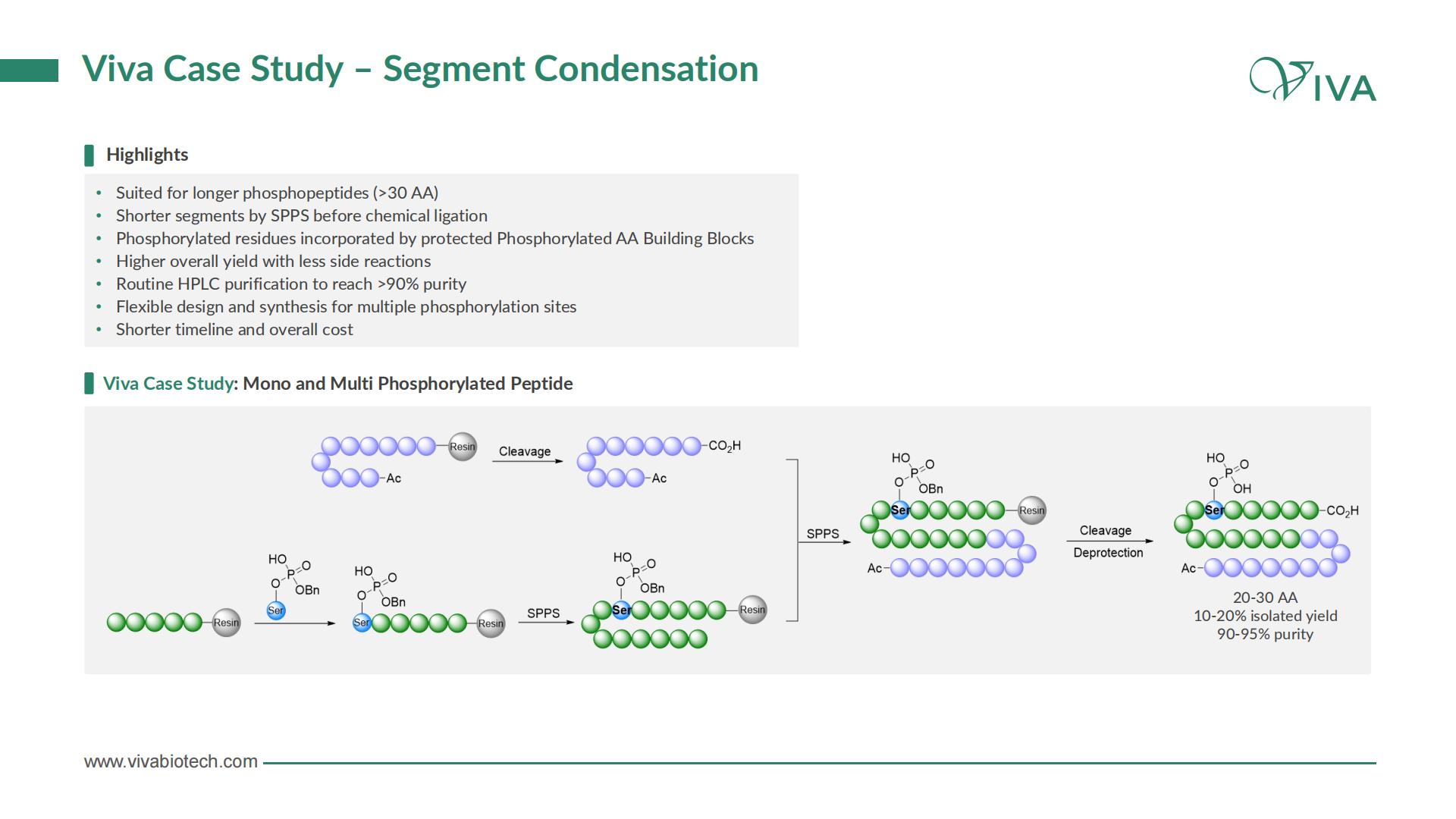
Because the modified fragment is considerably shorter than the final target, there is less steric congestion and higher reagent accessibility than the global phosphorylation approach. Phosphorylation is achieved with improved efficiency. The protected phosphorylated fragment is then coupled with complementary peptide segments through solution-phase or solid-phase fragment condensation to afford the complete phosphopeptide.
Main challenges of segment condensation are associated with fragment coupling. Large peptide fragments can show poor solubility, steric hindrance, and reduced coupling efficiency. Native chemical ligation and related chemoselective ligation methods can be applied for even longer and more complex phosphorylated peptides.
Viva Biotech Peptide Chemistry Services
Building on an in-depth understanding of these four strategies and their technical limitations, Viva Biotech's peptide chemistry team continuously refines, optimizes, and develops innovative phosphopeptide synthesis processes. By carefully evaluating the number of phosphorylation sites, peptide chain length, and structural complexity of each target, the team can flexibly select the most appropriate synthetic strategy and rapidly deliver high-purity, structurally diverse phosphopeptides. These capabilities provide comprehensive support for cutting-edge research programs and help transform complex phosphorylation challenges into tangible opportunities for peptide drug discovery.
Reference
Samarasimhareddy M, Mayer G, Hurevich M, Friedler A. Multiphosphorylated peptides: importance, synthetic strategies, and applications for studying biological mechanisms. Org Biomol Chem 2020 18, 3405-3422.
Perich, J.W. Synthesis of phosphopeptides via global phosphorylation on the solid phase: Resolution of H-phosphonate formation. Lett Pept Sci 1998 5, 49–55.
Grunhaus, D, Molina E.M, Cohen R, Stein T, Friedler A, Hurevich M. Accelerated Multiphosphorylated Peptide Synthesis. Org Process Res Dev 2022 26, 2492–2497.
Author Contributors
· Kejia Ding: writing - original draft preparation (lead), writing – review & editing (lead), visualization (equal);
· Deqian Sun: writing - original draft preparation, writing – review & editing, visualization (equal).