



Photoaffinity labeling (PAL) has emerged as one of the powerful chemical biology techniques for elucidating molecular recognition events in drug discovery.
It enables the covalent capture of transient ligand–protein complexes under near-native conditions, thereby preserving interactions that may otherwise dissociate during purification or analysis. PAL is particularly valuable for investigating weak and dynamic binding events and protein complexes that are difficult to characterize using traditional biophysical or biochemical methods.
Coupled with modern analytical technologies such as liquid chromatography–tandem mass spectrometry (LC–MS/MS), PAL can provide quick and direct ways to 1) identify target proteins, 2) define ligand-binding sites, and 3) characterize interaction networks at the proteome level.
Mechanism Differentiation
Unlike traditional covalent labeling strategies, which rely on the spatial proximity of reactive residues (Lysine, Cysteine, Tyrosine) or electrophilic warheads to achieve crosslinking, PAL occurs through light-induced activation of a photoreactive group on the ligand to generate a highly reactive intermediate species that can react with much broader range of binding site amino acid residues to irreversibly form a covalent bond, including the ones without nucleophilic groups.
This reactivity-driven crosslinking feature is very useful for 1) identifying binding sites of reversible ligands and for 2) characterizing transient or low-affinity interactions that are often inaccessible to conventional covalent approaches.
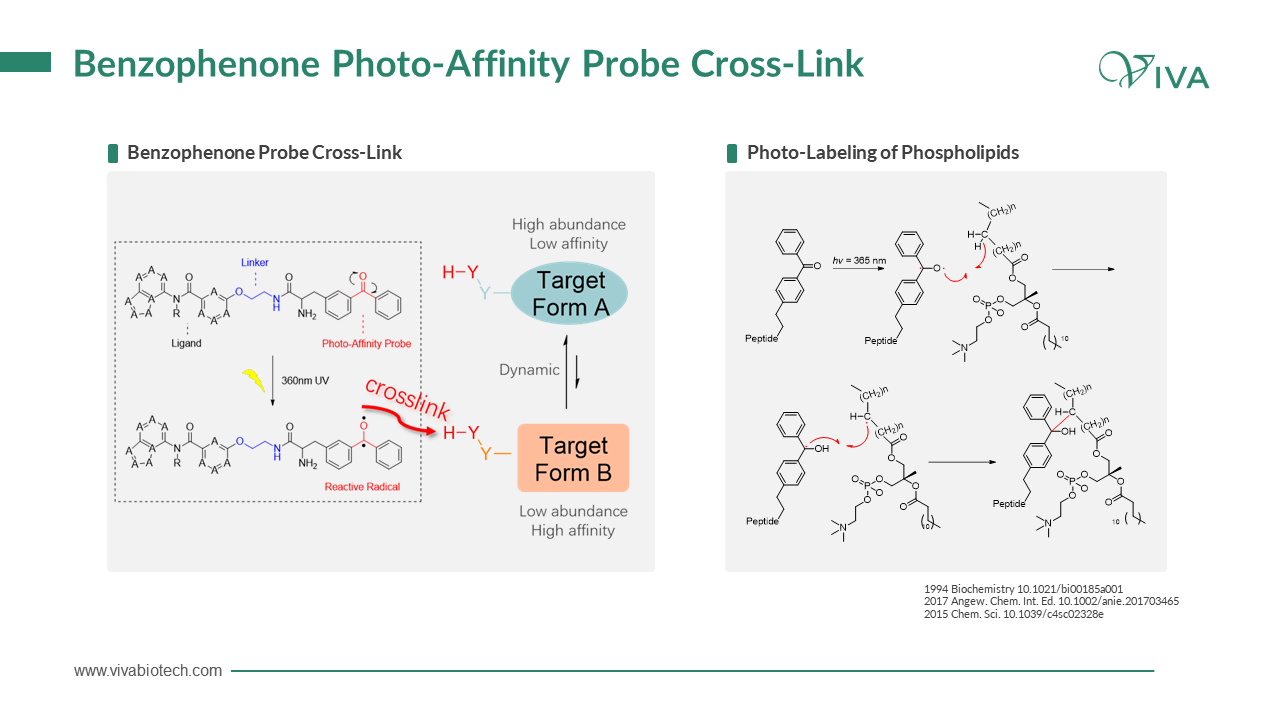
Photo-Affinity Probe Development Process
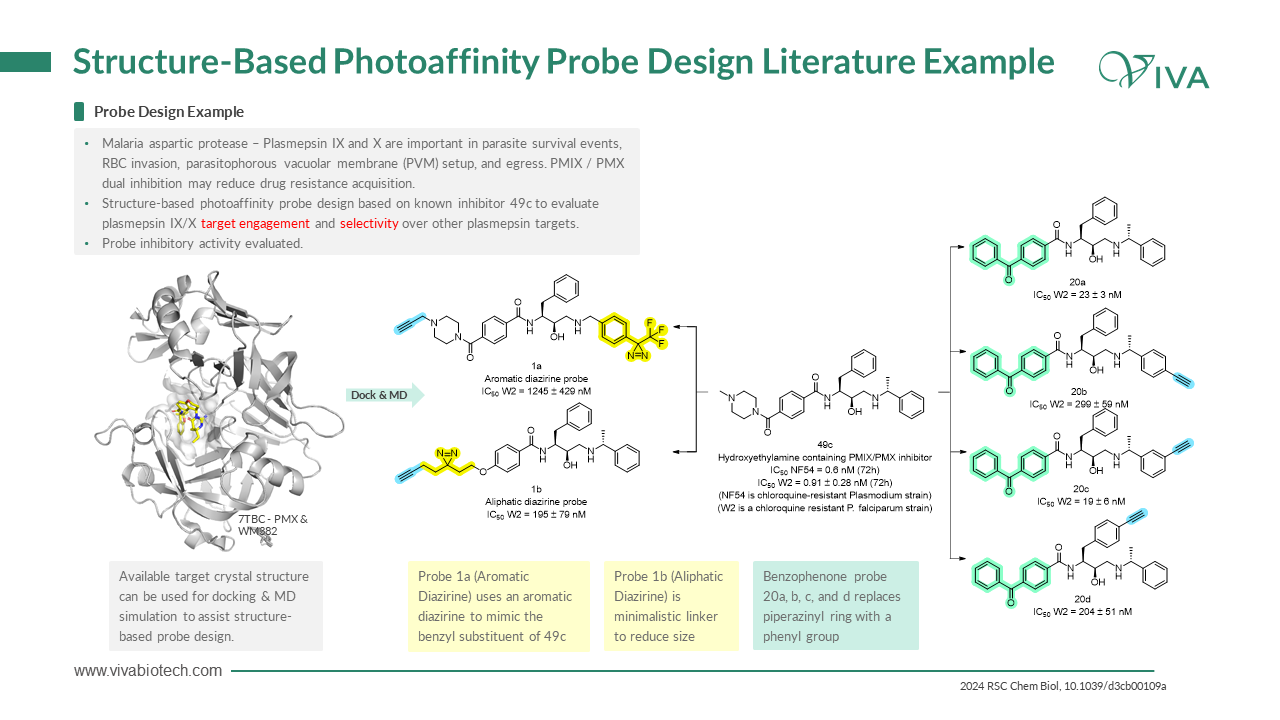
The development of a photo-affinity probe begins with the analysis of the ligand–target system. In most cases where PAL studies are needed, there is very limited information of binding site or binding interactions. A small set of hit expansion compounds and their structure–activity relationship (SAR) can be very helpful in understanding the structural features responsible for target binding, providing the basis for SAR-guided rational probe design and decreasing the risk for affecting target engagement. The position(s) on the ligand can then be determined to connect the linker and photo-reactive moiety.
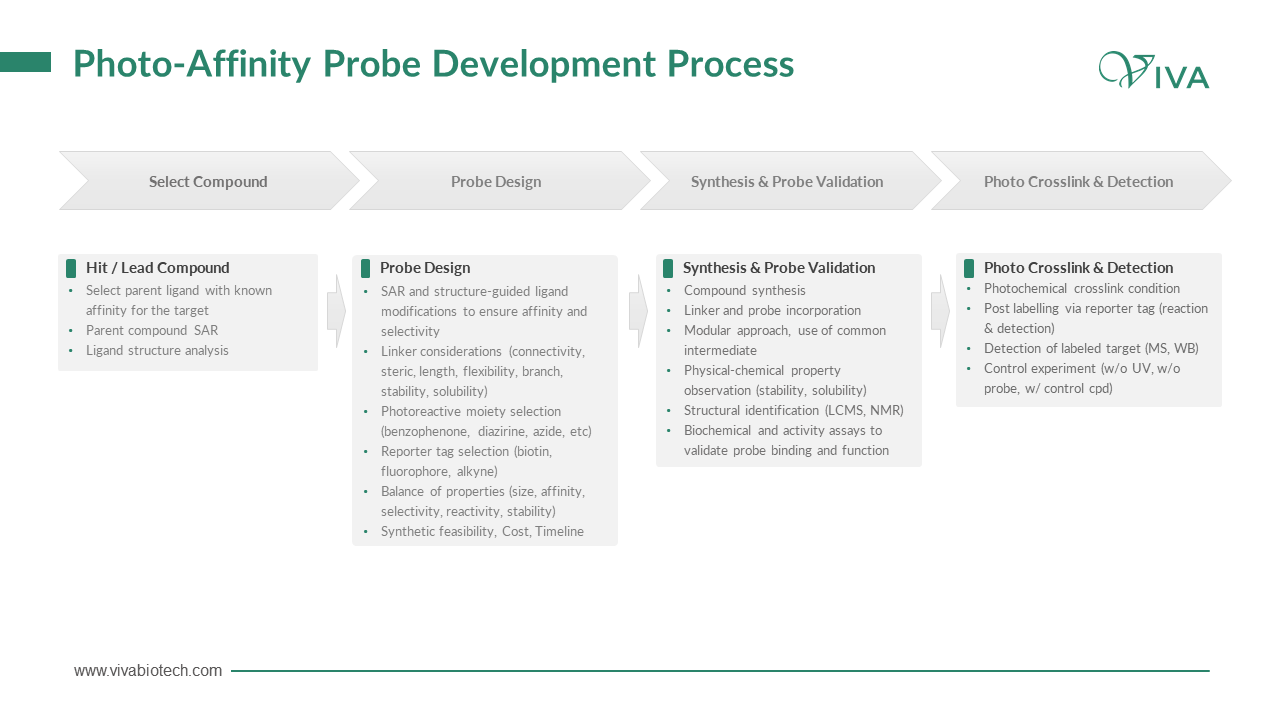
Linker properties, including connectivity chemistry, steric effects, length, flexibility, branching, stability, and solubility, are carefully considered to maintain ligand binding while enabling efficient labeling and downstream detection.
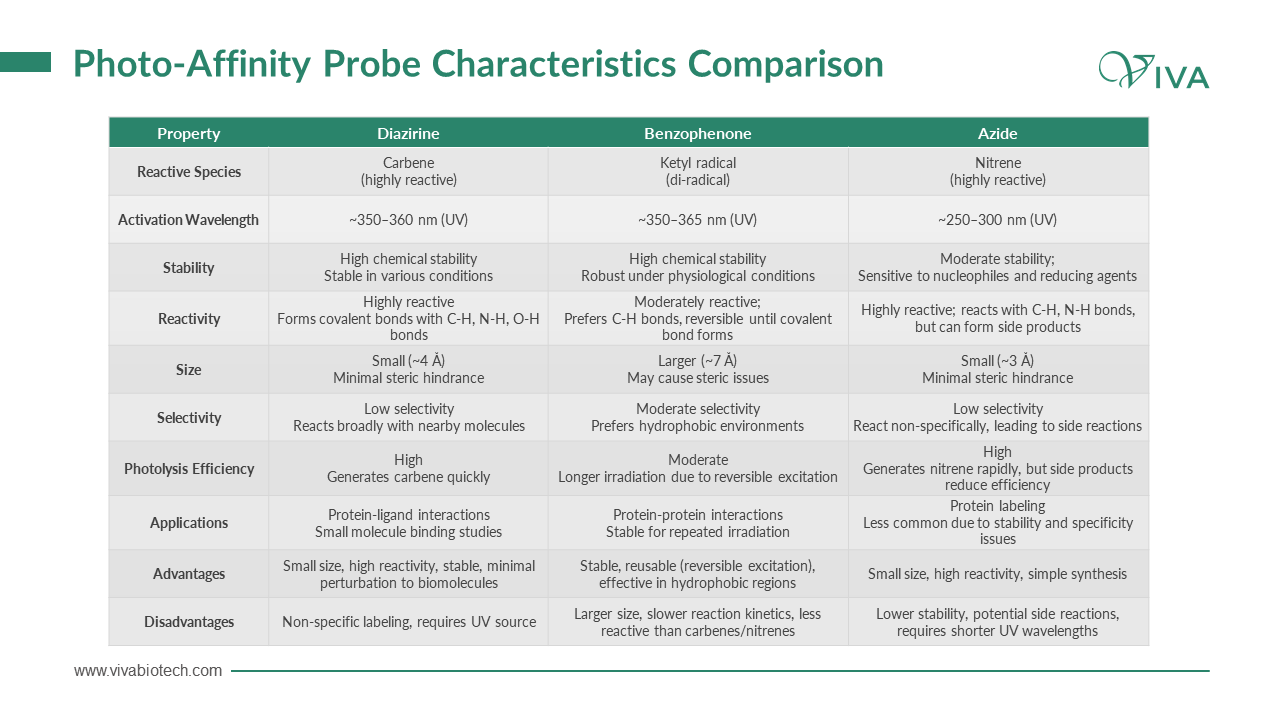
Common photo-reactive groups, including benzophenone, diazirine, and azide functionalities, are considered based on their suitability for target labeling. These groups enable covalent capture of ligand–target interactions upon photoactivation.
In addition, reporter tags are incorporated to facilitate detection and analysis of labeled targets. Possible reporter groups include biotin for affinity-based enrichment, fluorophores for visualization, and alkyne groups that enable subsequent functionalization through click chemistry.
Synthetic feasibility is evaluated simultaneously to control the time and cost. More than one probe designs with balanced predicted properties are recommended.
Once synthesized, the biological evaluation of photo-affinity probes begins with optimization of photochemical crosslinking conditions, with the goal to maximize selective crosslinking while controlling non-specific reactivity.
The labeled target is detected by mass spectrometry (MS) or through the incorporated reporter tag. Reporter-based detection approaches allow visualization or enrichment of the labeled protein through appropriate reaction and detection methods.
Control experiments are essential for validating labeling specificity. These include experiments performed without UV activation to evaluate light-dependent crosslinking, without probe to assess background labeling, and with a control compound to confirm that observed labeling is dependent on the designed probe–target interaction.
Ligand Binding Site Identification
Photoaffinity labeling has become an indispensable tool for defining ligand-binding sites and elucidating molecular mechanisms of action.
Identification of the crosslinked residue provides experimental evidence for the location of the ligand-binding pocket and offers valuable structural information when high-resolution structures of ligand-bound complexes are unavailable or when ligand binding induces conformational alterations that complicates structural determination.
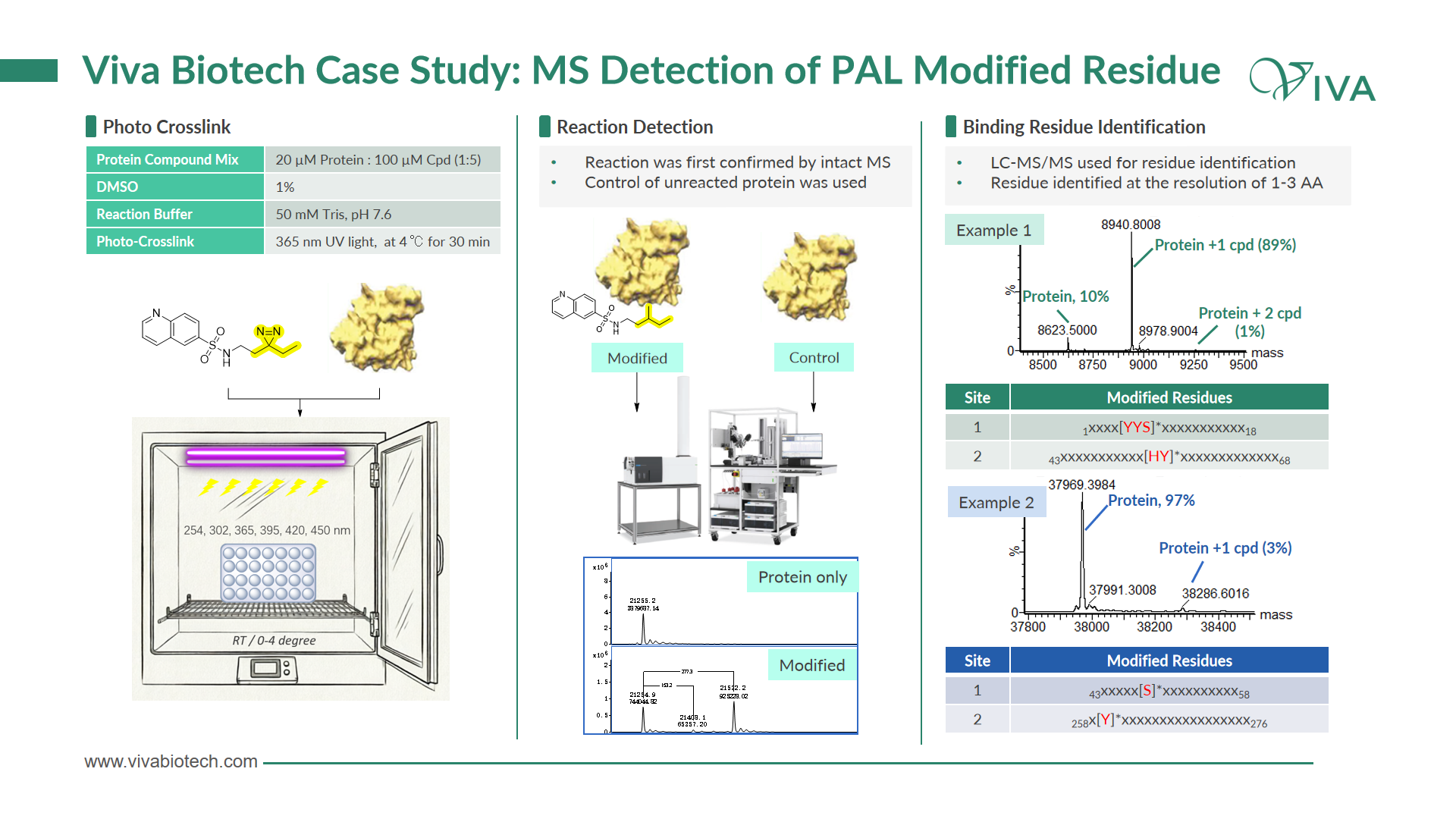
Binding-site information can be used as experimental constraints for structure-guided optimization, molecular dynamics (MD) simulations, and molecular docking.
PAL has been successfully applied in drug discovery programs for difficult therapeutic targets, including membrane proteins, ion channels, G protein-coupled receptors, transporters, and intrinsically dynamic protein complexes, where conventional structural approaches frequently encounter technical limitations.
It is an experimental technique that complements X-ray crystallography, cryogenic electron microscopy (CryoEM), nuclear magnetic resonance (NMR) spectroscopy, and computational modeling.
Summary
Continuous advances in synthetic chemistry, photoreactive probe design, quantitative chemoproteomics, and high-resolution mass spectrometry have transformed photoaffinity labeling from a specialized biochemical technique into a broadly applicable platform for mechanistic studies in chemical biology and medicinal chemistry. Recently, photoaffinity labeling has been increasingly applied to emerging therapeutic modalities such as macrocyclic peptides, targeted protein degraders, molecular glues, and covalent inhibitors, providing mechanistic insight into complex ternary or transient interactions that are challenging to capture by other methods. As these technologies continue to mature, photoaffinity labeling is expected to play an increasingly important role in defining ligand-binding sites, validating target engagement in physiologically relevant systems, and accelerating the rational design of next-generation therapeutics.
Viva Biotech's scientific teams combine their expertise in medicinal chemistry, chemical biology, protein science, mass spectrometry, and structural biology to provide photoaffinity labeling (PAL) solutions as part of Viva Biotech's integrated drug discovery services. From probe design and synthesis to UV-induced labeling and binding-site residue identification, actionable structural insights can be obtained and used for hit validation and lead optimization. With experience across diverse target classes and chemical modalities, Viva Biotech continues to develop technology platforms to support the drug discovery needs from our clients.
Reference
1. Homan, R.A., Lapek, J.D., Woo, C.M. et al. Photoaffinity labelling with small molecules. Nat Rev Methods Primers 2024 4, 30.
2. Cao, L., Wang, L. Biospecific Chemistry for Covalent Linking of Biomacromolecules. Chem. Rev. 2024 124, 8516–8549.
3. Parker, C. G.; Galmozzi, A.; Wang, Y.; Correia, B. E.; Sasaki, K.; Joslyn, C. M.; Kim, A. S.; Cavallaro, C. L.; Lawrence, R. M.; Johnson, S. R.; et al. Ligand and Target Discovery by Fragment-Based Screening in Human Cells. Cell 2017 168 (3), 527–541.
4. Lisauskaite, M., Nixon, G. L., Woodley, C. M., Berry, N. G., Coninckx, A., Qie, L. C., Leung, S. C., Taramelli, D., Basilico, N., Parapini, S., et al. Design, synthesis and modelling of photoreactive chemical probes for investigating target engagement of plasmepsin IX and X in Plasmodium falciparum. In RSC Chem. Biol. 2024 5, 19–29.
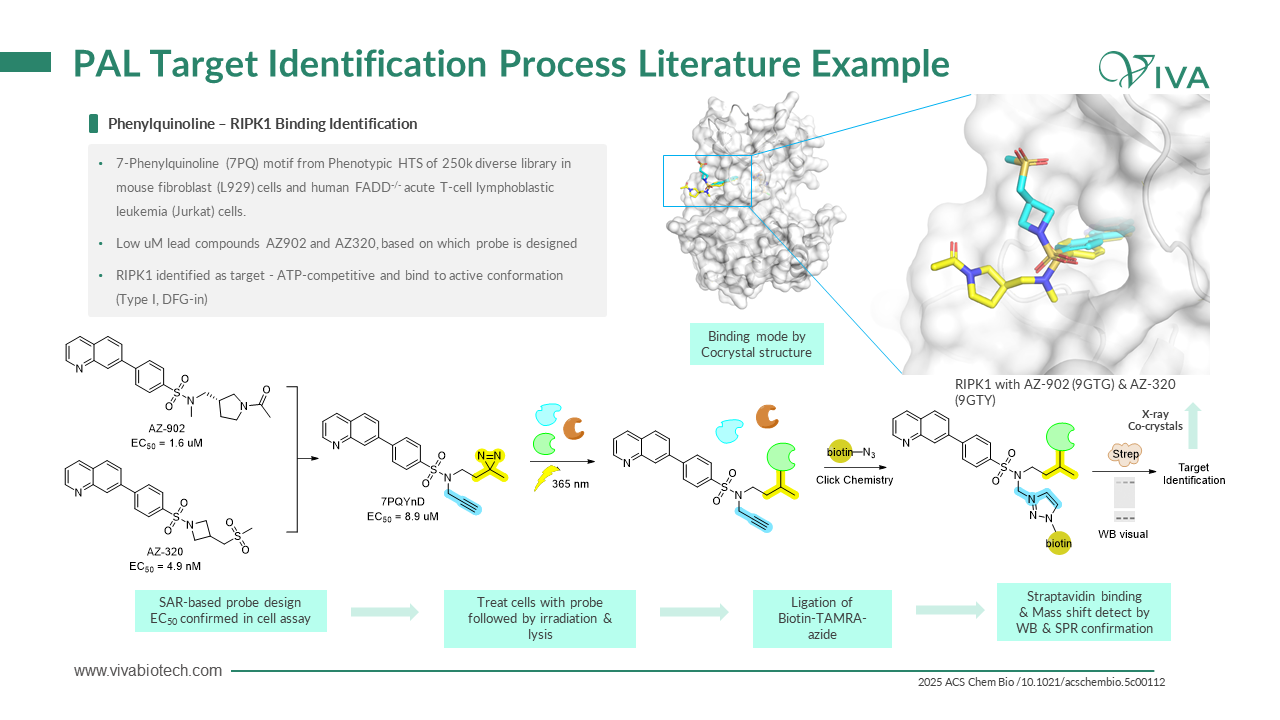
5. Soday, L., Seripracharat, C., Gray, J. L., Luz, A. F. S., Howard, R. T., Singh, R., Burden, T. J., Bernardini, E.; Mateus-Pinheiro, M., Petersen, J., et al. Discovery and Validation of a Novel Class of Necroptosis Inhibitors Targeting RIPK1. ACS Chem. Biol. 2025, 20 (7), 1527–1543.
Author Contributors
· Kejia Ding writing - original draft preparation (lead), writing – review & editing (lead), visualization (equal);
· Ruojin Bian writing – review & editing, visualization (equal);